
Hollywood loves drama, but this one is not fun to watch. The bidding war for Warner Bros. Discovery has turned into a high-stakes fight that could rewrite how movies and TV get made, sold, and seen. Netflix and Paramount Skydance are not just chasing assets. They are battling for control of the future.
Netflix has agreed to buy Warner Bros. Discovery’s studios and HBO Max for roughly $72 to $83 billion. Paramount Skydance countered with a hostile bid worth about $108 billion for the entire company, CNN included. No matter who wins, the impact will be massive.
Streaming, theaters, labor, and regulation all collide here. The industry already feels fragile after years of debt, layoffs, and shrinking margins. This deal could push it into a new era that many people are not ready for.
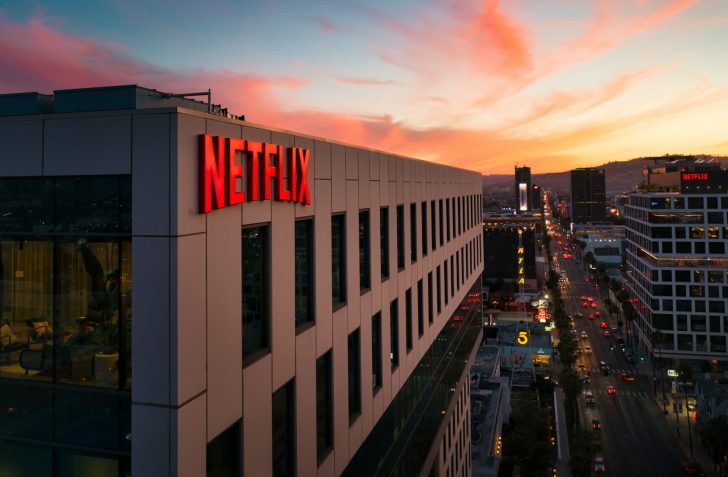
Venti / Unsplash / A Netflix and Warner Bros. Discovery merger would create a streaming giant unlike anything before it. Netflix already has around 300 million subscribers worldwide.
HBO Max brings roughly 130 million more. Together, that is over 430 million paying customers under one roof.
That kind of scale changes everything. Smaller streamers would struggle to compete on price, reach, or content. Studios would face a buyer with unmatched leverage. Consumers would have fewer real choices. Analysts already say this could mark the end of the streaming wars, not because everyone won, but because one company became too big to fight.
Pricing is the quiet threat here. When choice shrinks, prices rise. Netflix has already increased subscription costs several times in recent years. With HBO’s premium brand folded in, that power only grows. Consumers may pay more and get less variety, even if the library looks huge on paper.
Control of content is just as serious. Warner Bros. owns some of the most valuable franchises in history. Harry Potter. DC Comics. Game of Thrones. The Sopranos. Add that to Netflix’s originals and global reach, and you get a locked ecosystem. Popular stories could live on one platform and nowhere else. That hurts competition and limits where creators can sell their work.
Above all, regulators will not ignore this. Combining the #1 and #3 subscription streaming services raises red flags. Antitrust officials will examine consumer harm, advertising power, and creative markets. Recent history shows mixed results. Some mega-mergers pass. Others collapse. The uncertainty alone is enough to freeze parts of the industry.
Movie Theaters on the Edge
Brad / Unsplash / For movie theaters, this bidding war feels personal. Especially if Netflix wins. Theaters already operate on thin margins. Losing a major studio partner could be devastating.
Cinema United has warned that a Netflix-owned Warner Bros. could remove up to 25% of the annual domestic box office. That is not a scare tactic. Warner Bros. is one of the few studios that still releases a steady stream of wide theatrical films. If those movies shrink or vanish from cinemas, many smaller theaters will not survive.
There is precedent. When Disney bought Fox, film output dropped. Fewer movies reached theaters. Fewer chances to fill seats. The industry never fully recovered. Netflix’s model favors streaming first. Theaters fear Warner Bros. would slowly follow that path.
The real fight is over release windows. The traditional window gives theaters exclusive access for weeks before a movie hits home viewing. Netflix hates this system. Ted Sarandos has openly called it outdated and unfriendly to consumers. From a theater’s view, that window is the business model.
Netflix has promised to honor Warner Bros.’ existing theatrical contracts through 2029. That sounds comforting, but it is limited. No promises exist beyond the current slate. Studios think long-term. Theater owners hear silence after 2029 and see a cliff.
Once habits change, they do not come back easily. If audiences expect Warner Bros. films at home faster or only online, theaters lose their role. That is not just a business shift. It changes how movies are experienced and valued.