
Climate change is not some distant headline in Greenland. It is showing up in empty bays, silent sled dogs, and cracked sea ice under people’s boots. For the Inuit, this shift is personal. For the rest of the world, it is a warning siren that cannot be ignored.
Greenland’s ice sheet is melting fast. Scientists measure it in billions of tons lost each year. Inuit hunters measure it in routes they can no longer travel and food they cannot safely reach.
When the Ice Disappears, Culture Feels It First?
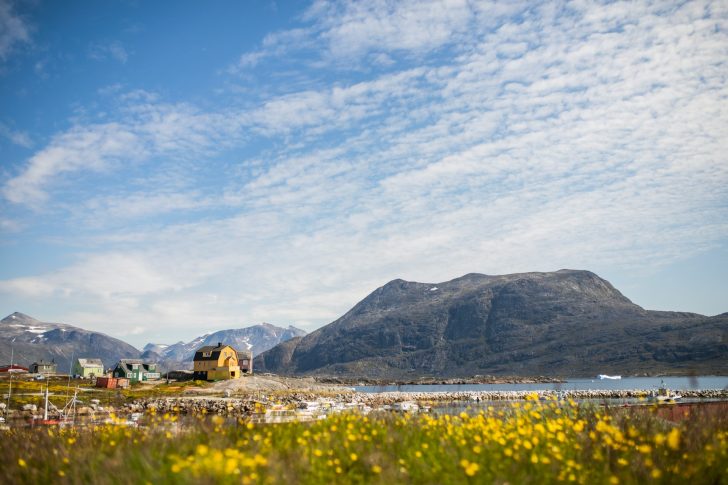
Greenland / Unsplash / For over a thousand years, Inuit life has moved with the rhythm of snow and sea ice. Winter meant frozen highways across the ocean.
Dog sleds connected families, hunting grounds, and nearby towns in ways that roads never could.
In 2026, in Ilulissat, something happened that older residents had never seen before. January arrived without snow on the ground and without ice in the bay. Sled dog champion Jørgen Kristensen described dog sledding as traveling on the world’s widest highway. That highway is now breaking apart.
Dog sledding is not a hobby. It is a living thread in Inuit identity. The dogs are partners in hunting, travel, and survival. When the sea ice vanishes, that bond weakens.
The loss also creates danger. Hunters once trusted thick sea ice to support sleds and heavy loads. Now the ice forms later, melts sooner, and cracks without warning.
Some northern communities have faced food shortages because hunters could not safely reach seals and other game. Families who rely on subsistence hunting feel that strain immediately. Food flown in from far away is expensive and not always available.
Rain is replacing snow in many areas. When rain freezes, it forms clear ice that looks almost invisible. That slick surface can flip small boats and put fishermen at serious risk.
As sled routes vanish, more hunters turn to boats. The sea, however, has become less predictable. Storms shift quickly, and thin ice drifts in dangerous patterns.
The language of the Inuit, Kalaallisut, holds dozens of precise words for snow and ice. Those words describe texture, strength, and safety. When the ice behaves in unfamiliar ways, even that deep knowledge feels less certain.
In southern Greenland, in the farming region of Kujataa, warmer winters bring rain that freezes over pastures. That thick layer of ice kills the grass that sheep depend on. Farmers must adjust quickly or lose livestock.
Sara Olsvig of the Inuit Circumpolar Council has said that Arctic warming is happening three to four times faster than the global average. That speed leaves little room to adapt. The changes are visible in daily life, not just in scientific reports.
Greenland’s Ice Sheet, The World’s Rising Seas
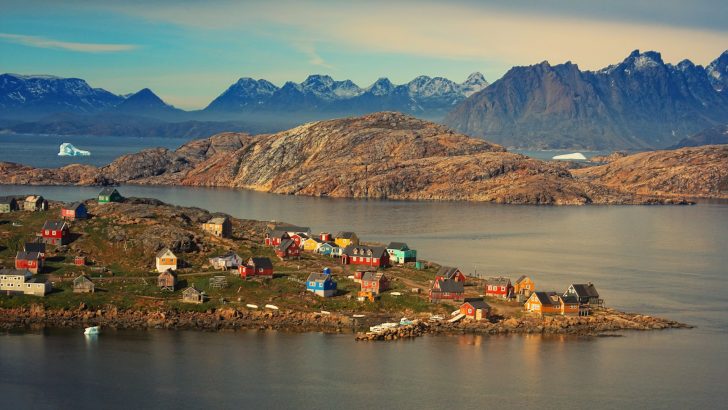
Johannes / Unsplash / The island’s ice sheet holds enough frozen water to raise global sea levels by about seven meters if it fully melts. Even a fraction of that would redraw coastlines around the globe.
In the year leading up to September 2025, Greenland lost more than 100 billion metric tons of ice. That meltwater flows into the ocean and adds to sea level rise already measured at several inches since the early 1990s. Coastal cities from Miami to Mumbai are watching closely.
The meltwater does more than raise sea levels. It pours fresh water into the North Atlantic and disrupts major ocean currents. One of these systems, the Atlantic Meridional Overturning Circulation, helps regulate temperatures across Europe and beyond.
If that current slows significantly, Europe could see colder winters even as the planet warms overall. Weather patterns could shift in other regions as well. Crops, fisheries, and storm systems would all feel the effects.
Melting ice also changes how the Arctic absorbs heat. Bright white snow reflects sunlight back into space. Dark ocean water absorbs that heat instead.
When ice disappears, the exposed water traps more warmth. That process accelerates warming in a feedback loop known as Arctic amplification. The Arctic then warms even faster, which leads to even more melting.