
Poland, Loud and Proud
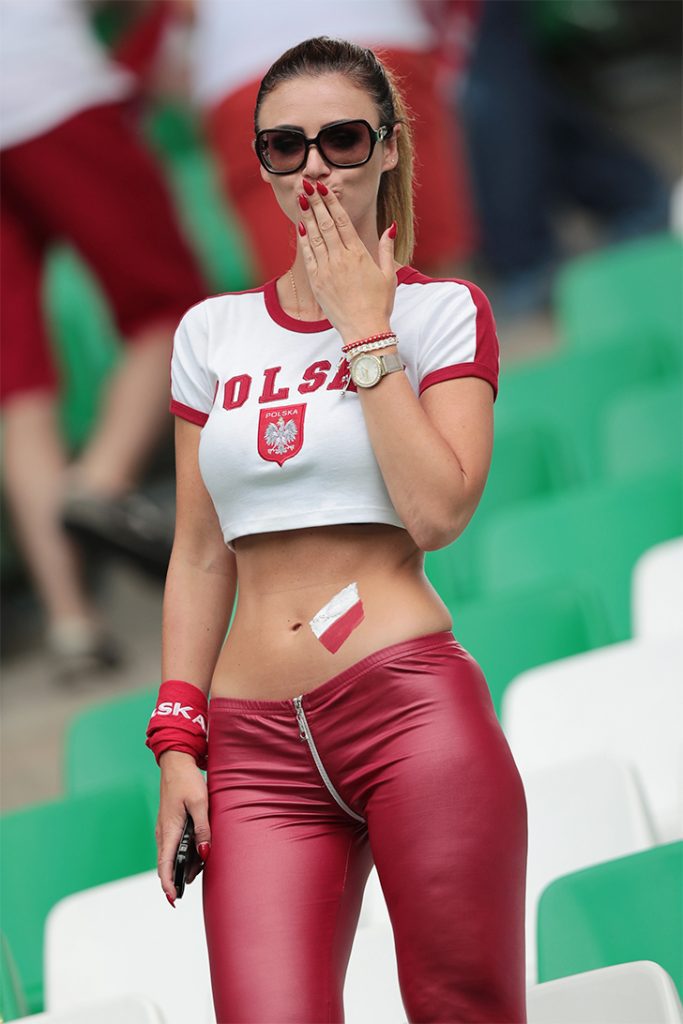
At the 2018 World Cup in Russia, one moment stole the spotlight: a striking Polish supporter in the stands blowing kisses toward her team, like she was personally fueling the whole squad. Is kiss-blowing an everyday stadium ritual? Not exactly. But it perfectly captures what football fans do best, turning raw emotion into a personal, unforgettable show of loyalty.
And then reality hit. Poland’s run ended fast, dumped out in the group stage despite all the hype and hopeful talk. They’ve never lifted the World Cup, but don’t confuse that with a lack of quality. This is a country that keeps producing serious talent, including Robert Lewandowski, a ruthless finisher with a goal-scoring résumé that speaks for itself.
Poland’s World Cup Story: Big Passion, Bigger Frustration
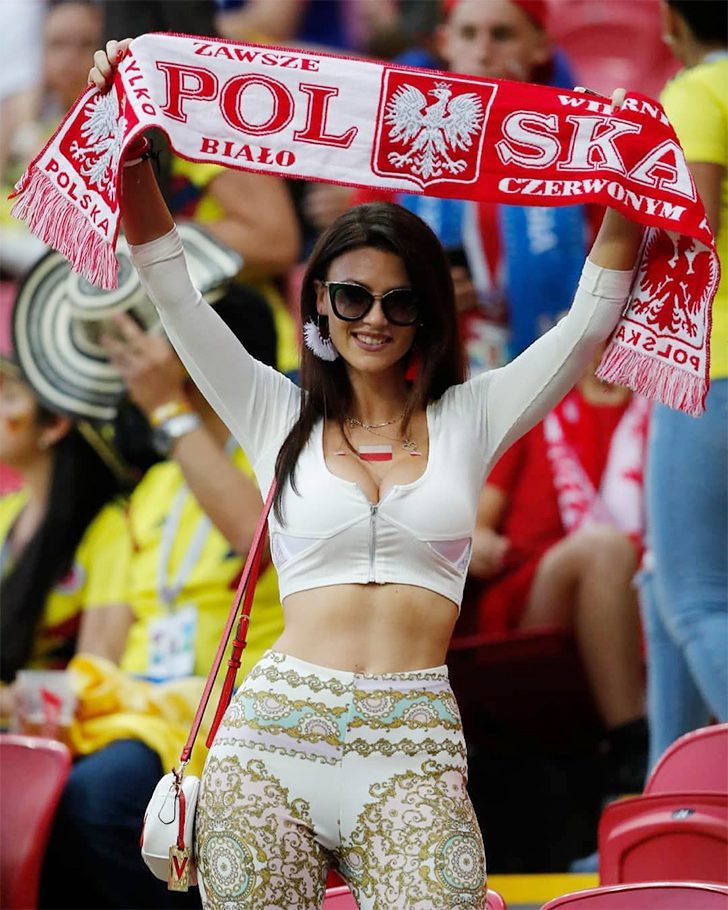
At the 2018 World Cup in Russia, one Polish supporter stole the spotlight, rocking white, a tiny flag pinned proudly across her chest, and a banner that basically screamed, “We’re here to make noise.” She stood out in the stands, even if Poland’s team didn’t. The campaign ended early, dumped out in the group stage, which felt painfully on brand for a nation that keeps flirting with greatness but still hasn’t lifted the trophy. No World Cup titles, sure, but Poland isn’t some random extra either, they’ve got real pedigree, including third-place finishes in 1974 and 1982.
Poland first showed up on the World Cup stage in 1938, and over the decades they’ve built a reputation for disciplined tactics and for producing lethal forwards, with Robert Lewandowski as the modern headline act. Their football story runs on grit, pride, and a fanbase that refuses to fade into the background, the kind of supporters who show up loud, loyal, and unapologetically hopeful, just like her.
Mexico, Loud and Proud
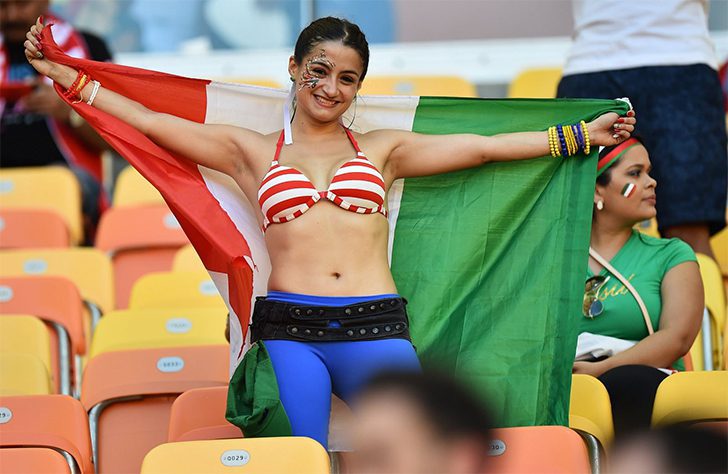
At the 2014 World Cup in Brazil, one Mexican fan stole the spotlight, cheering like her life depended on it, wrapped head to toe in green, yellow, and blue. Yes, the host nation’s colors, not Mexico’s green, white, and red. Was it a fashion slip-up or a deliberate bit of chaos? Either way, it was the kind of bold, slightly wrong energy that makes World Cup crowds so addictive.
And Mexico on the pitch that year? Legit. They pushed into the Round of 16, extending their habit of getting out of the group stage at every World Cup since 1994. No, they still haven’t lifted the trophy, but they keep showing up, keep scrapping, and keep dragging the party with them. Between the stubborn fight of the team and fans like our gloriously off-palette heroine, Mexico stays impossible to ignore in the soccer universe.
Paraguay, Loud and Proud
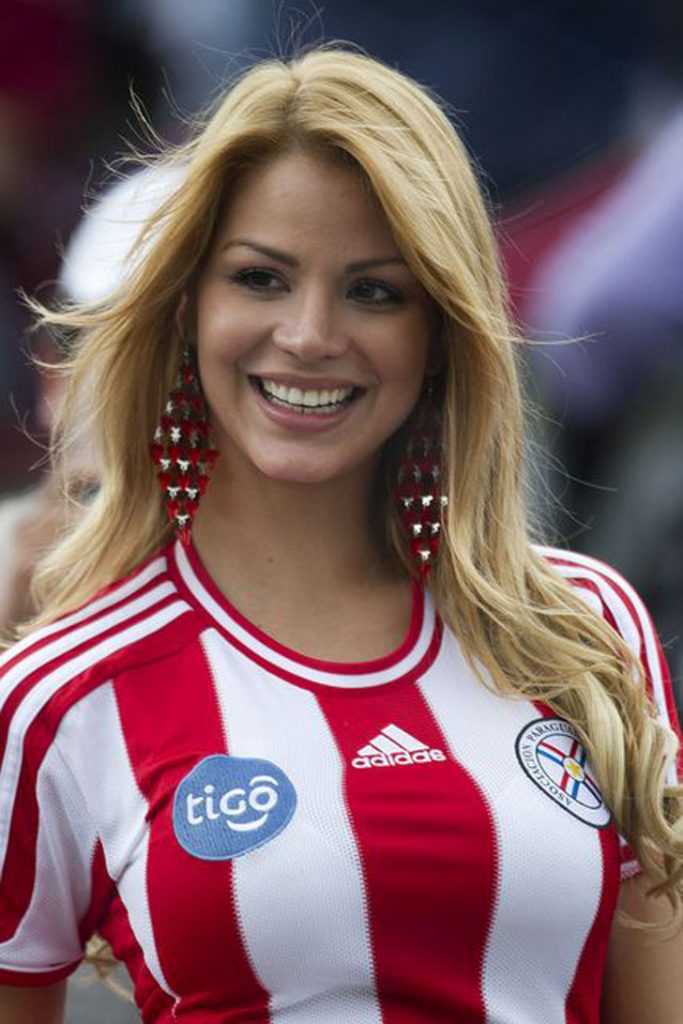
A grinning Paraguay supporter, wrapped head to toe in blue, red, and white (yes, the national colors), was captured soaking up the spotlight at the 2010 World Cup in South Africa. And honestly, they had every reason to glow. That tournament was Paraguay at their absolute sharpest, delivering their best World Cup run ever by crashing into the quarterfinals for the first time, built on stubborn defending and game plans that actually worked.
Then came Spain in the quarters, and Paraguay did not roll over. They scrapped, they battled, they made it uncomfortable, but the fairy tale ended at the hands of the eventual champions. Still, 2010 was the moment Paraguay announced itself to the world, turning the team into a global talking point and cranking the country’s football fever up to full volume. Fans still cling to that run like a promise, convinced the next big tournament could be the one that hits even harder.
Colombia, Loud and Proud
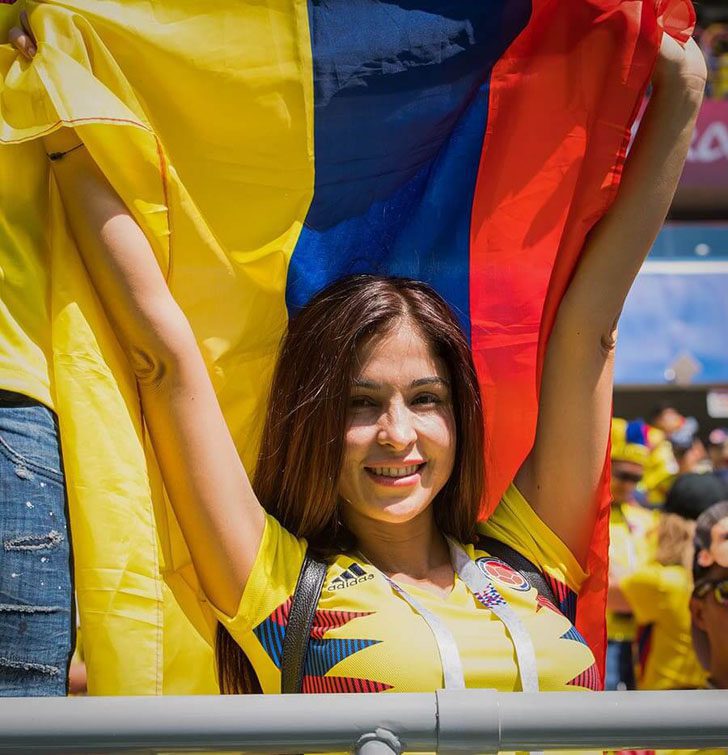
Colombia’s national team, better known as Los Cafeteros, doesn’t just have fans, it has a full-blown army. Think of the woman beaming as she waves the flag during the 2018 World Cup clash with Japan: that is the vibe. In Colombia, soccer isn’t a hobby you dabble in, it’s stitched into the country’s identity, fueled by bold colors, relentless noise, and chants that hit like a drumline and turn stadiums into pressure cookers.
And the obsession doesn’t stop at the final whistle. Soccer is one of the few forces powerful enough to pull people together across wildly different communities, no questions asked. When Colombia wins, celebrations spill into the streets, often with the “Pasillo,” a dance rooted in traditional music and performed with the kind of joyful intensity that’s impossible to fake. It’s sport colliding with culture, and the result is Colombian soccer at its best: loud, proud, and impossible to ignore.
Russia, Unfiltered
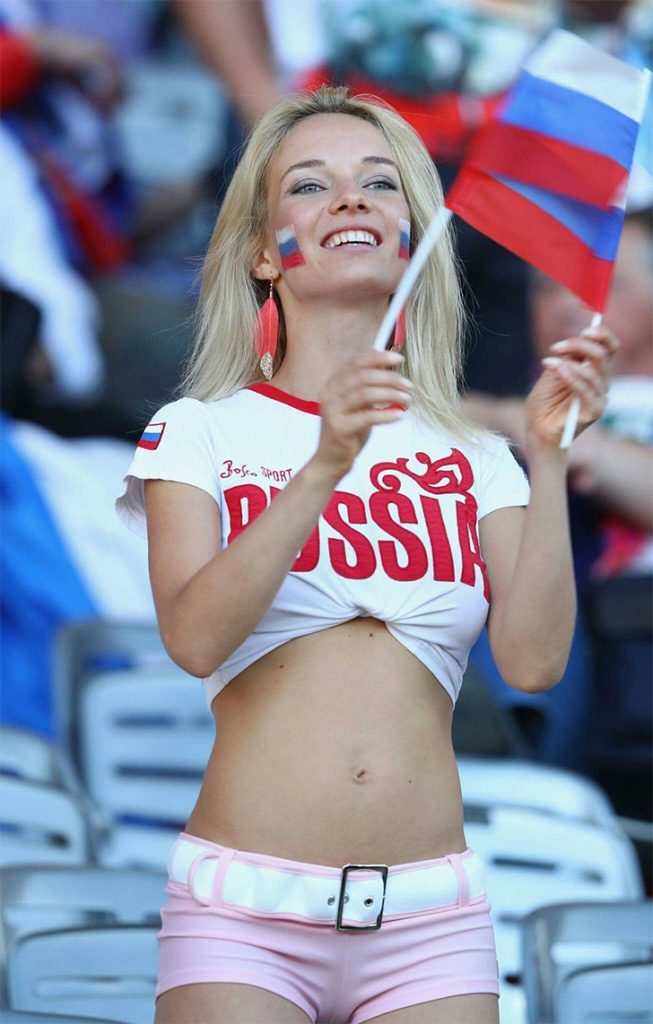
At the 2018 FIFA World Cup in Russia, one die hard fan basically stole the spotlight, drenched in loud red, “Russia” stamped across her shorts, face painted like war paint, and the national flag snapping in the air like a challenge. It was a landmark tournament, the first World Cup ever staged in Eastern Europe, and it pulled in crowds from every corner of the planet to soak up the chaos, the color, and the drama.
And Russia did not just host, they showed up. The home side bulldozed past expectations and punched their way into the quarterfinals, their best run since the Soviet Union fell apart. No, they have never lifted the trophy, but that shock 2018 surge, plus the full throttle party vibe they delivered as hosts, made sure nobody forgot them.
France
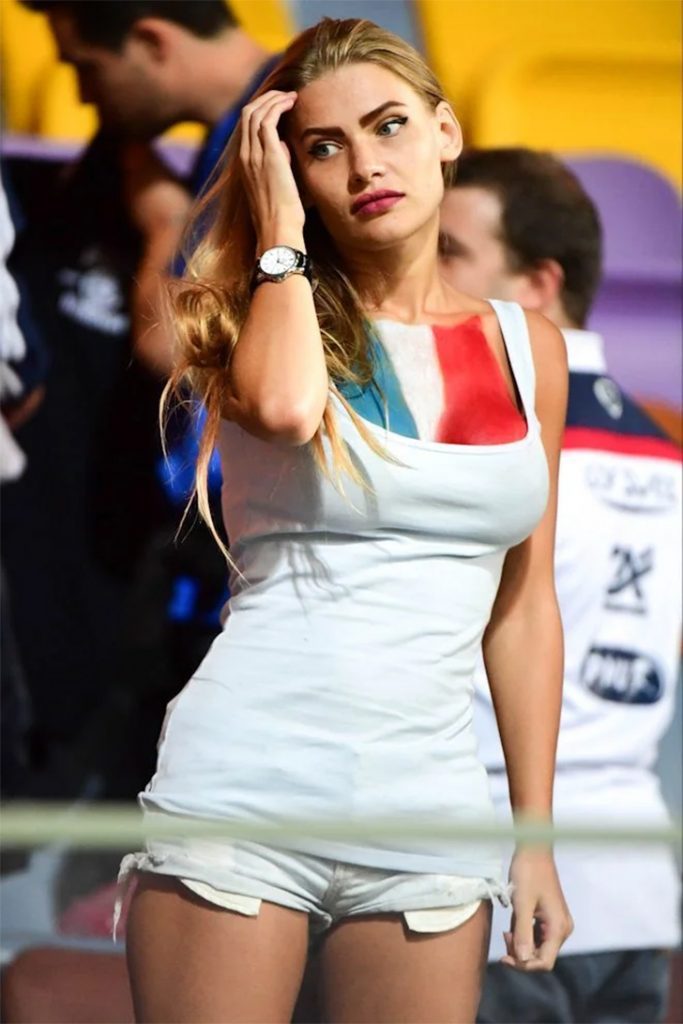
At the 2022 World Cup in Qatar, French supporters showed up exactly as you would expect, sharp, stylish, and impossible to ignore. While other crowds leaned into costumes and chaos, France brought that cool, confident swagger and backed it up with serious football pedigree. This is a nation that does not dabble in the World Cup, it dominates it, with two titles already in the cabinet, 1998 and 2018.
In 2022, they stormed all the way to the final again, because consistency is kind of their thing. The story of France at the World Cup is stacked with icons, from Zinedine Zidane to modern-day firestarters like Kylian Mbappé, a blur of speed and ruthless technique. Add the team’s unmistakable flair on and off the pitch to a fanbase that refuses to be quiet, and you get the same result every tournament: the world watches, whether it wants to or not.
Portugal
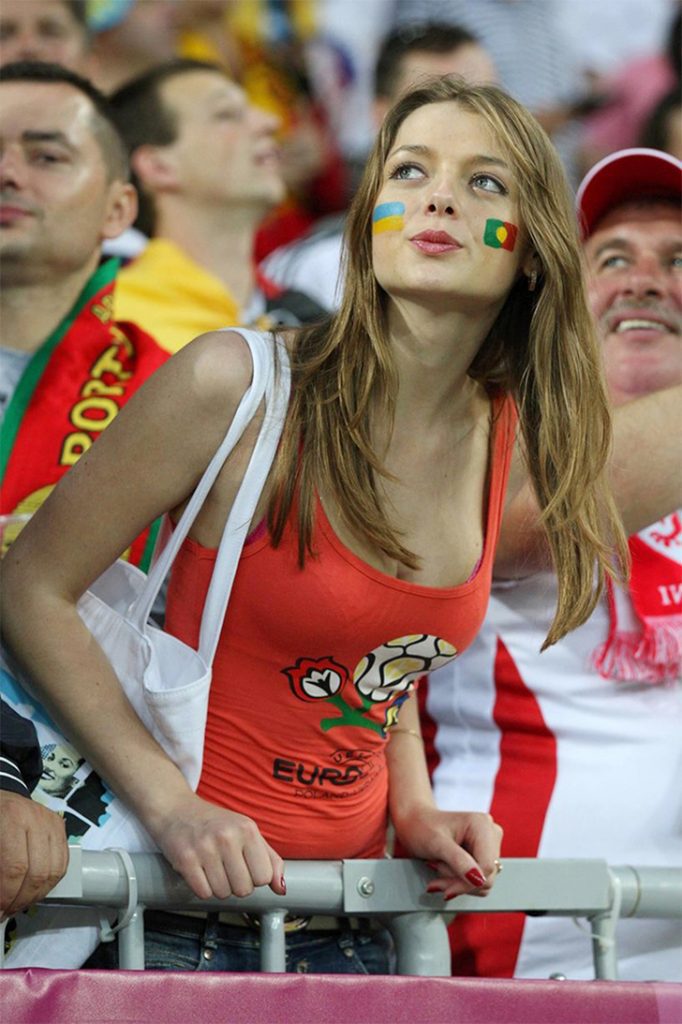
A glowing Portuguese supporter practically exploded with joy as she watched Cristiano Ronaldo produce a jaw-dropping hat-trick in Portugal’s thrilling 3-3 draw against Spain at the 2018 World Cup in Russia. For Portuguese fans, including her, it felt like a victory parade powered by pure Ronaldo brilliance.
Portugal, forever hyped for its “Golden Generation” and sly tactical swagger, is just as famous for its loud, unapologetic football obsession. When the national team plays, the stands turn into a roaring wall of red and green, chants hit like drumbeats, and entire streets get dressed up like it’s a national holiday. That kind of devotion does not politely show up, it takes over, turning every match into a full-blown festival of pride.
Russia, Loud and Proud
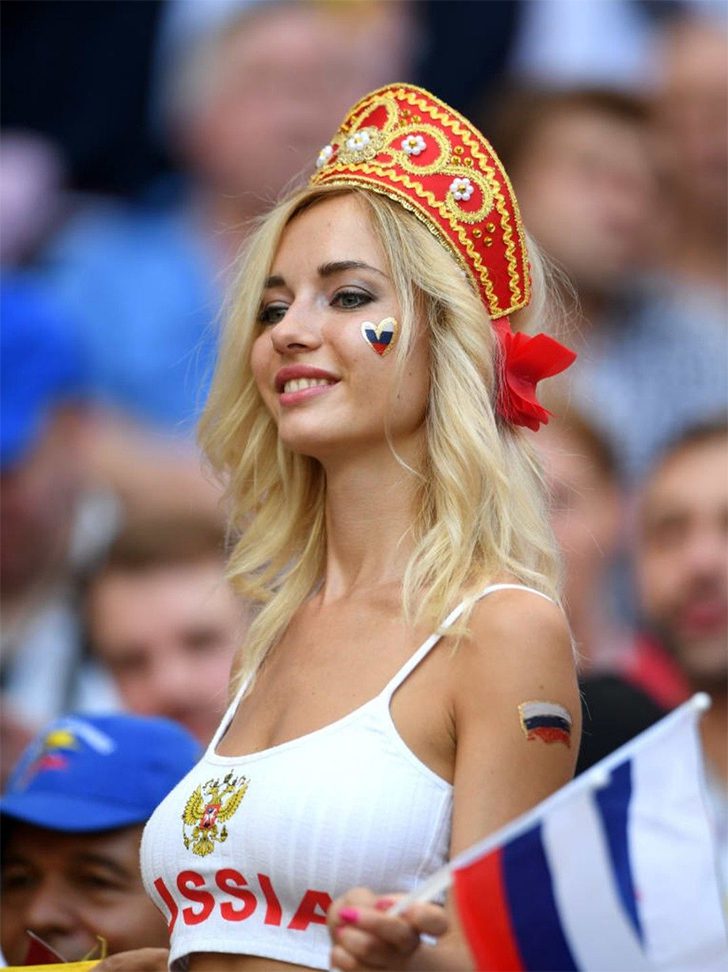
One Russian fan basically stole the show in 2018: dressed like a queen, she turned the stands into her personal throne room while cheering on her team like her life depended on it. And honestly, the squad gave her plenty to rule over. As host nation, Russia shocked the football world by bulldozing its way to the quarterfinals, its best run in ages. This was a team sitting around 70th in the rankings at the time, yet they played like they were done being underestimated.
The tournament itself got stamped as one of the biggest successes FIFA has ever pushed, with more than 3.4 billion people watching worldwide, a not so subtle flex of Russia’s ability to stage a massive event. From a slick, crowd-pleasing opening ceremony to the buzzing “FIFA Fan Fest” zones spread across multiple cities, it was part football, part national showcase, and impossible to forget.
France
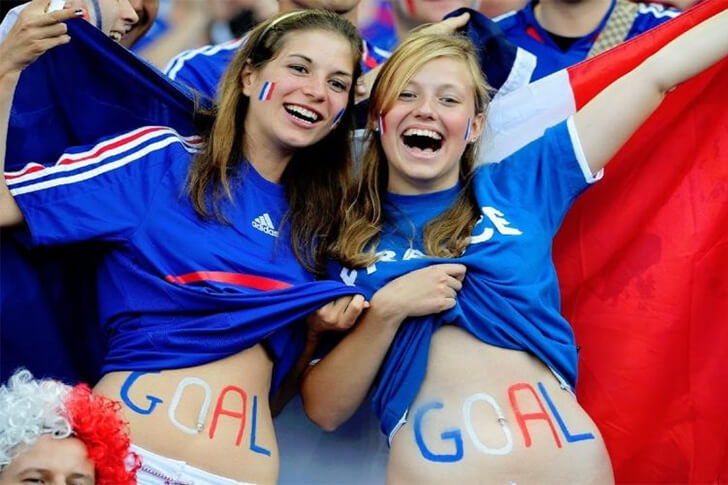
At the 2022 World Cup in Qatar, French supporters showed up exactly as you would expect, sharp, stylish, and impossible to ignore. While other crowds leaned into costumes and chaos, France brought that cool, confident swagger and backed it up with serious football pedigree. This is a nation that does not dabble in the World Cup; it dominates it, with two titles already in the cabinet, 1998 and 2018.
In 2022, they stormed all the way to the final again, because consistency is kind of their thing. The story of France at the World Cup is stacked with icons, from Zinedine Zidane to modern-day firestarters like Kylian Mbappé, a blur of speed and ruthless technique. Add the team’s unmistakable flair on and off the pitch to a fanbase that refuses to be quiet, and you get the same result every tournament: the world watches every time France takes the field.
Poland
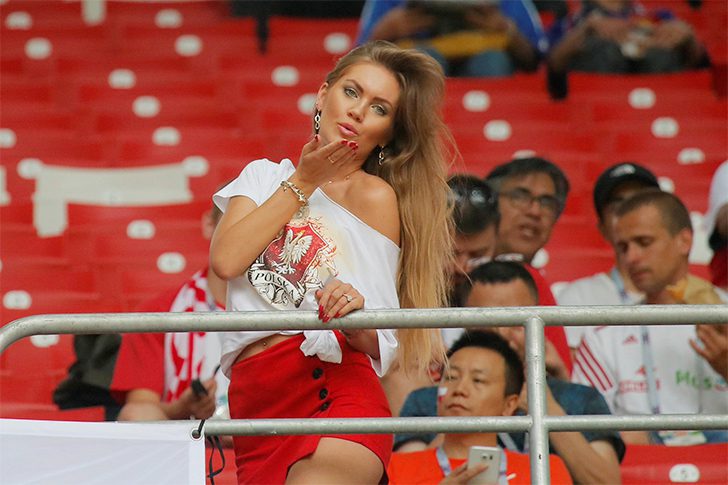
Poland’s national team has never been about pretty promises; it’s about grit, discipline, and turning stubborn resilience into results. Their high-water marks came at the 1974 and 1982 World Cups, when they muscled their way to third place both times. And if you’re talking icons, you don’t get to skip Zbigniew Boniek or Robert Lewandowski.
Then there are the Polish fans, who bring a brand of passion that’s impossible to fake. At the 2018 World Cup in Russia, cameras caught women in the stands blowing kisses toward the squad, including this supporter photographed at Otkritie Arena as Poland took on Senegal in their Group H opener. Win, lose, or get humbled, the vibe was the point: heat, noise, togetherness, and that unmistakable feeling of being all in.
Russia, Loud and Proud
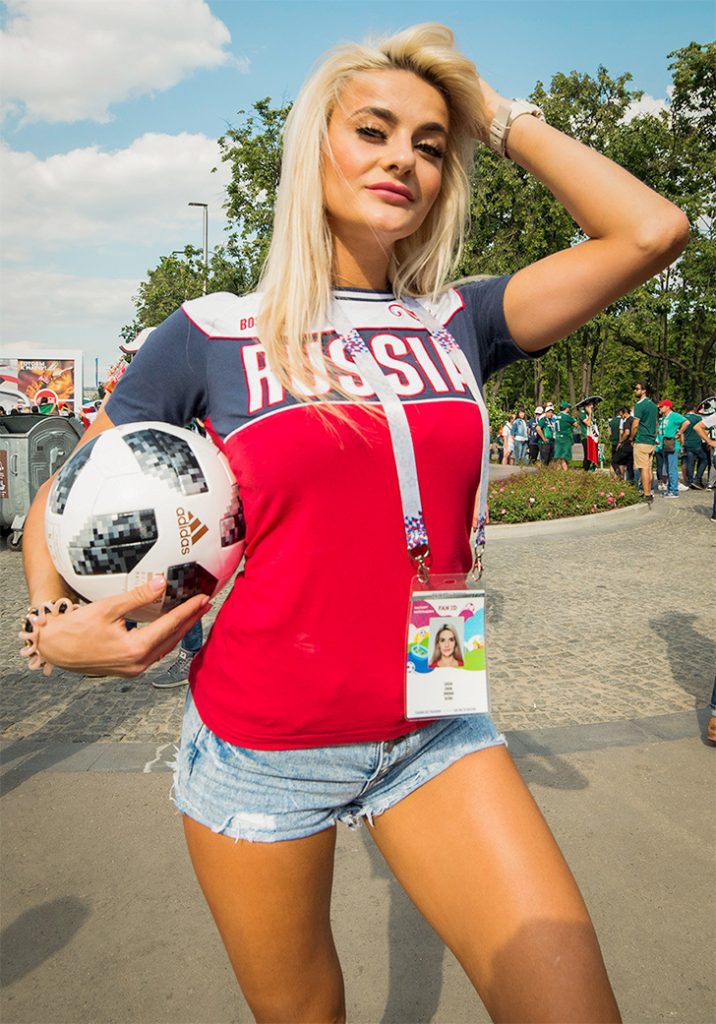
Russia delivered its strongest World Cup showing since the Soviet days by crashing into the quarterfinals at the 2018 FIFA World Cup on home soil. Handed hosting duties to help push soccer’s global footprint and prove it could run a mega-event without face-planting, Russia turned the tournament into a full-on flex, shiny new infrastructure, big-city upgrades, and hospitality turned up to maximum volume.
One of the tournament’s stickiest snapshots is a Russian woman clutching a soccer ball, a simple, punchy symbol of the country’s hype and backing for the spectacle. And 2018 mattered for more than vibes: it was the World Cup that rolled out VAR, the video review system that barged into the sport’s old habits and started forcing referees to get calls right, or at least get them less wrong, boosting the competition’s accuracy and credibility.
Russia’s World Cup Bombshell Moment
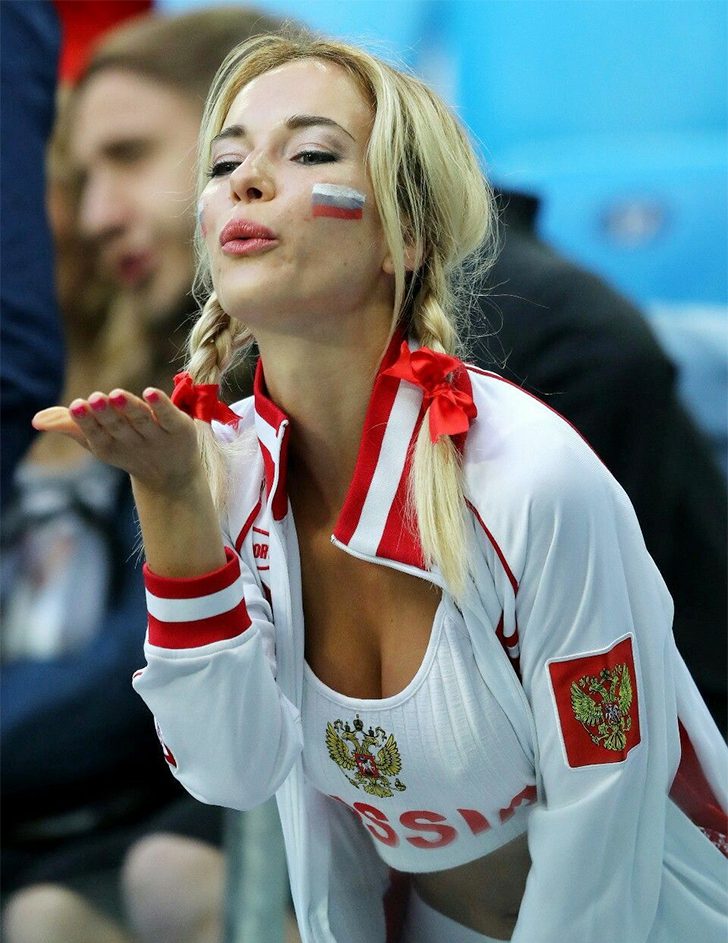
The 2018 World Cup wasn’t just packed stadiums and nonstop chanting, it was a full-blown spectacle of passion, noise, and fans who showed up ready to be seen. Plenty of women brought the heat and the hype, but one moment in particular hijacked the spotlight: Natalya Nemchinova, caught on camera blowing a kiss toward the Russian squad during their opening match against Saudi Arabia, a game Russia didn’t just win, they steamrolled, 5-0.
Once Natalya started popping up at multiple matches, the internet did what it always does: it latched on, obsessed, and crowned her “the World Cup’s beautiful supporter.” And honestly, her high-voltage enthusiasm matched Russia’s shockingly gutsy run. They took two group wins, then yanked Spain out of the tournament in a tense penalty shootout to punch their ticket to the quarterfinals.
Colombia
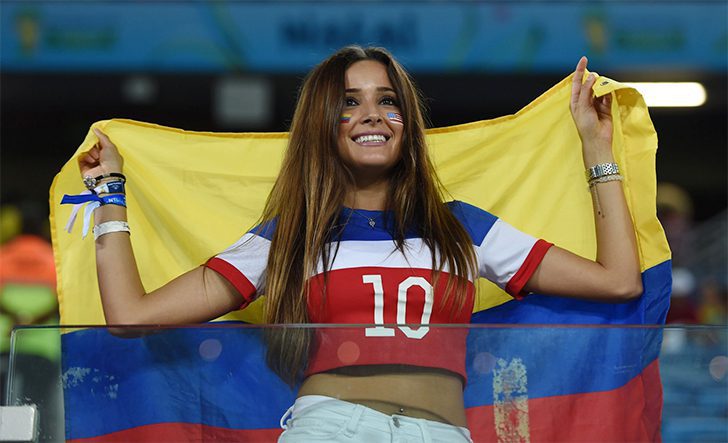
A glowing woman draped in the Colombian flag hijacked the spotlight at the 2014 World Cup, even though Colombia was not even on the schedule that day. She showed up at the Group G clash between Ghana and the United States at Estadio das Dunas in Natal, Brazil, and the international media predictably lost its mind. Before you could say “viral,” she was splashed across big-name outlets like the Daily Mail and CBS.
As for Colombia’s national team, they do not do dull. Their game is all snap and swagger, built on quick passing and a party-like rhythm that mirrors the country’s deep, loud love affair with football. They still have not lifted the World Cup trophy, but 2014 was their statement year, when they stormed to the quarterfinals and made the rest of the world pay attention.
Croatia
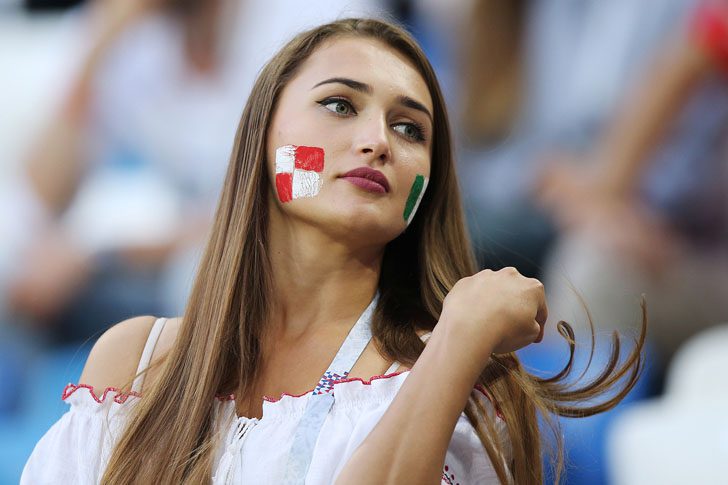
Croatia didn’t just show up at the 2018 World Cup in Russia, they hijacked the spotlight and refused to give it back, storming all the way to the final and locking in their best-ever finish as runners-up. Football isn’t some casual pastime here; it’s practically a national language, born on scrappy local pitches and then rocketing into global relevance after independence in the early 1990s.
When Croatia plays, the country turns into one giant watch party, with cafes jammed and town squares heaving like it’s a holiday. Yes, they lost to France in the final, but the pride was loud, stubborn, and impossible to miss. One striking fan, suddenly quieter after the whistle, still radiated the same unbreakable loyalty. She was a snapshot of Croatian supporters at their best: beautiful, tough, and absolutely not backing down, just like the team’s gutsy run.
Iceland: Small Island, Big Mouth, Bigger Football Dreams
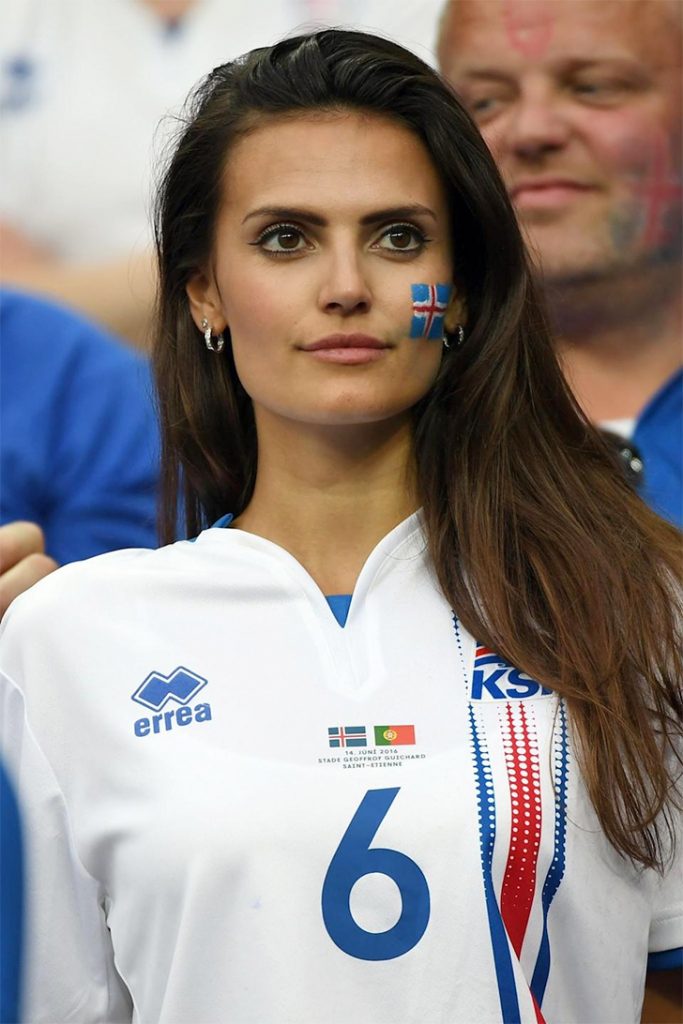
Iceland may be tiny on the map, but on the global football scene it has been anything but quiet. This little nation has punched its way into four major tournaments, and its first-ever World Cup appearance in Russia in 2018 was the kind of moment that makes bigger countries sweat. Right out of the gate, they stared down Argentina and walked away with a wild, statement-making 1-1 draw.
One Icelandic supporter captured the scene in a photo, and her face said it all: pure, unfiltered joy after a draw that felt like a win. Of course, the World Cup does not hand out fairy tales for free. After that electric start, Iceland ran into Nigeria and took a loss, and the ride ended sooner than they wanted. Still, the point was made loud and clear: Iceland belongs on football’s biggest stage, and the fact that they keep getting there is exactly why fans everywhere cannot stop watching.
Argentina: Football, Fury, and the Beautiful Chaos
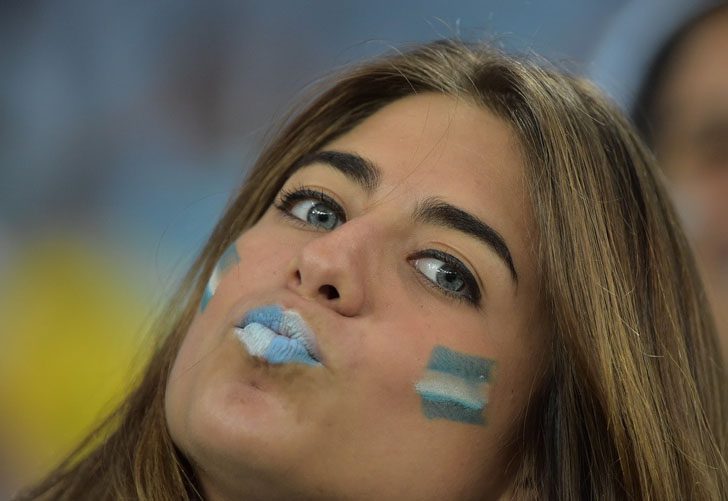
Argentina’s national team doesn’t just play football; it performs it, with a legacy built on glory, swagger, and the kind of drama other countries can only imitate. The 2014 World Cup final was a gut punch, losing to Germany in extra time, and the pain hit like a brick. In the crowd, hundreds of fans looked wrecked, including one striking woman who, like everyone else in sky blue and white, refused to stop believing until the very last second.
And yet, Argentina still walks around with serious hardware: two World Cup titles and a talent pipeline that spits out icons like Diego Maradona and Lionel Messi. Their supporters are famously unhinged in the best way, wrapped in those sky blue and white shirts, turning stadiums into pressure cookers with relentless chants and songs that don’t just fill the stands, they take them over.
Sweden, Loud and Proud
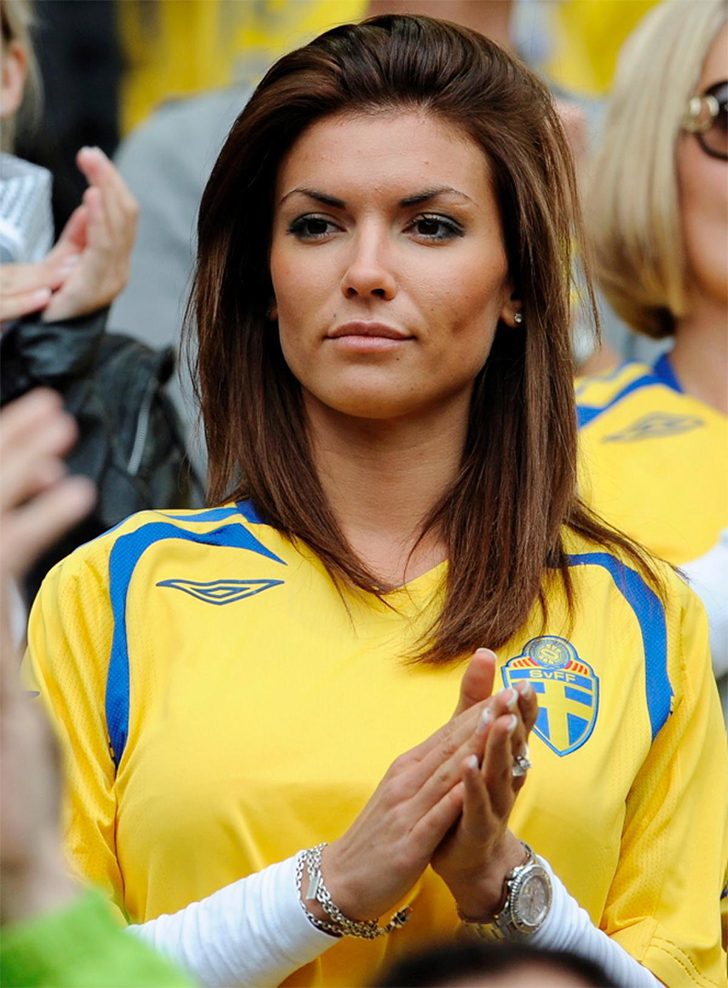
Football is brutal at the top level, pressure, noise, and a million eyes waiting for you to slip. So yes, players cling to whatever keeps them steady, and for many, that means the people in the stands who refuse to stop believing. At the 2018 FIFA World Cup in Russia, Oksana Andersson, the wife of Swedish midfielder Christian Wilhelmsson, wasn’t just another face in the crowd; she was a full-volume presence, radiating support and pushing her husband and Sweden forward.
Sweden’s run to the quarterfinals wasn’t some cute feel-good cameo; it was a hard-earned statement built on grit and execution. The headline moment was their Round of 16 win over Switzerland, a result that turned heads and shut up doubters. And with Oksana bringing that relentless energy from the stands, the tournament felt even more charged, a loud reminder that in elite sport, family backing is not a side note, it’s fuel.
Colombia, Loud and Proud
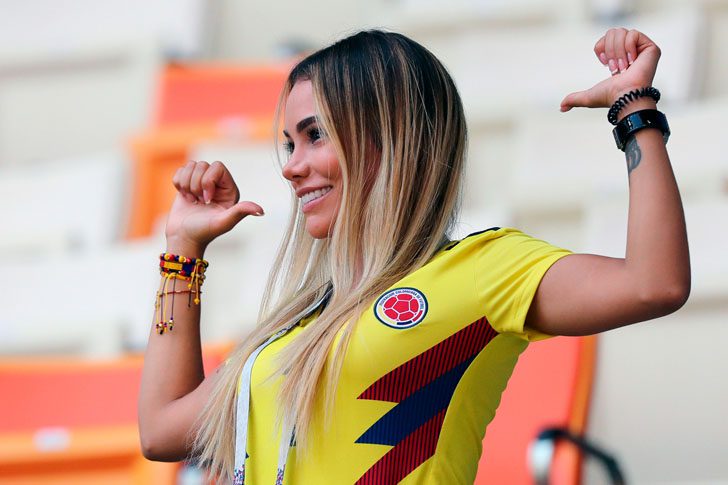
Jessica Sterling, the wife of Colombian goalkeeper David Ospina, didn’t just show up at the 2018 World Cup in Russia, she basically set the stands on fire with pure, contagious hype. And honestly, that tracks, because Ospina is no random name, he’s Colombian football royalty, celebrated for lightning reflexes and the kind of composure that makes strikers question their life choices.
Colombia carries a serious football reputation, built on a tradition of producing stars like James Rodríguez and Carlos Valderrama. And the fans? They don’t do “polite applause.” They bring full-volume chants, bold colors, and nonstop rhythm that turns any stadium into a street party with a scoreboard. Jessica’s all-in support, paired with that unapologetically electric football culture, cranked the tournament’s intensity up another notch.
Mexico’s El Tri: Loud, Proud, and Always in the Fight
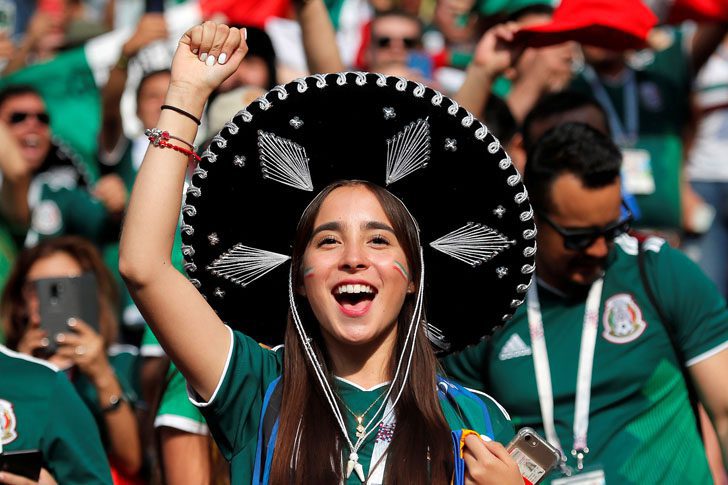
Mexico’s national team, lovingly branded El Tri, doesn’t just have supporters, it has a roaming, roaring army. At the 2018 World Cup in Russia, fans like the girl wrapped head to toe in green and red brought the noise and then some, turning every match into a traveling block party. On the field, Mexico delivered a respectable run, pushing into the Round of 16 before running into Brazil and getting shown the exit.
Mexico’s peak World Cup moments came in 1970 and 1986, both times on home turf, both times reaching the quarterfinals and daring the world to try and quiet them down. They still haven’t lifted the trophy, sure, but pretending El Tri is anything less than a heavyweight in spirit is pure ignorance. This is a country that produced icons like Hugo Sánchez and Cuauhtémoc Blanco, and a fan culture famous for turning stadiums into a carnival, complete with the legendary “wave” that rolls through the stands like a dare to everyone else to keep up.
Brazil: Football Royalty, Loud and Proud
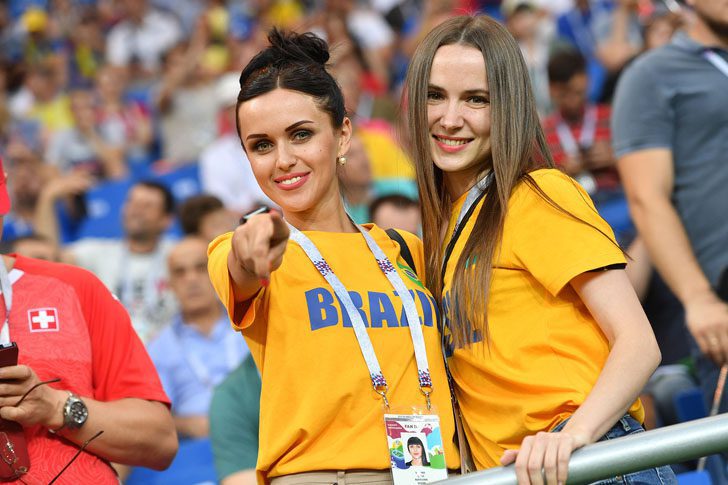
In the fever-dream chaos of the 2018 FIFA World Cup in Russia, two jaw-dropping Brazilian fans hijacked the spotlight with the kind of full-throttle support that makes neutral viewers pick a side. Drenched in Brazil’s loud yellow and green, they were basically impossible to ignore, and they clearly had zero interest in blending in. On that day, Brazil, the five-time world champions and perennial heavyweight of the sport, had to settle for a 1-1 draw against Switzerland.
Brazil’s football machine is famous for more than just stacking trophies; it’s a factory for icons, churning out legends like Pelé and Ronaldo. And yes, 2002 still glows like a neon sign in their history, the last time they lifted the World Cup and reminded everyone exactly who runs this game when they’re on their best behavior.
Croatia
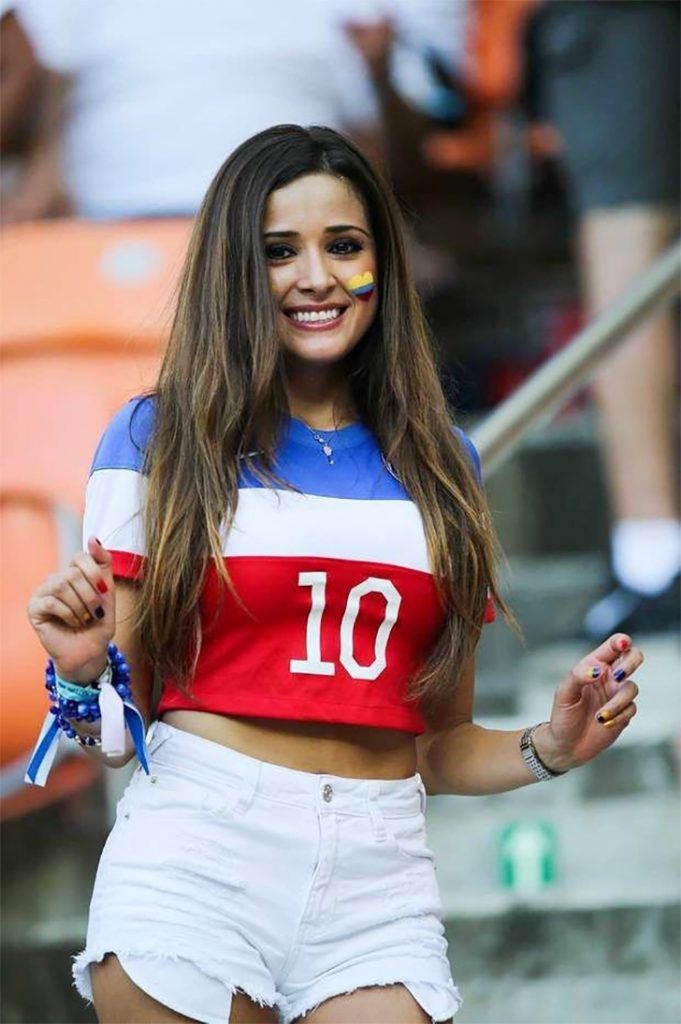
Croatia is a tiny dot on Europe’s map, roughly four million people, and yet it has been throwing heavyweight punches in world football ever since it crashed the party at the 1998 World Cup in France. That debut was not a polite introduction; it was a full-blown takeover, with Croatia storming all the way to the semi-finals and making the rest of the planet pay attention.
Jump to Russia in 2018 and the Croatian roar was impossible to ignore, a wall of chants powered by diehards of every kind, including plenty of fiercely loyal women. Even the country’s then president, Kolinda Grabar-Kitarovic, showed up in the stands and made her support loudly, proudly, and unapologetically clear, the kind of larger-than-life energy that keeps Croatia dangerously lovable on the global stage.
Colombia, Loud and Proud
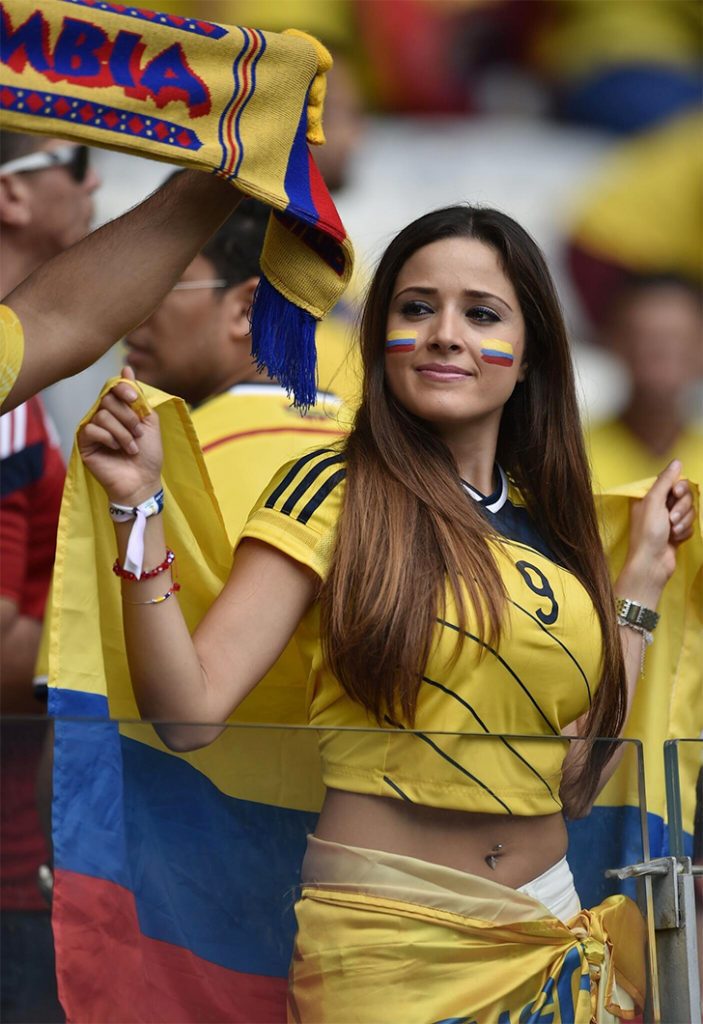
Splashed in electric face paint and hoisting a banner like she owned the stadium, a jaw-dropping Colombian fan stole the spotlight at the 2018 World Cup in Russia. That laser-focused stare was pure Colombia: all heart, no hesitation, the same fierce energy their national team brings with lightning-fast play and those irresistible, rhythm-soaked goal celebrations.
Colombia, the land of legendary coffee and scenery that looks unfairly good, showed up with real football bite, then got bounced in the round of 16 after a brutal penalty shootout against England. No trophy, sure, but let’s not pretend they didn’t leave a mark. The swagger, the passion, the full-volume joy, it stuck. Like the country itself, this team doesn’t just play; it grabs your attention and refuses to let go.
Poland
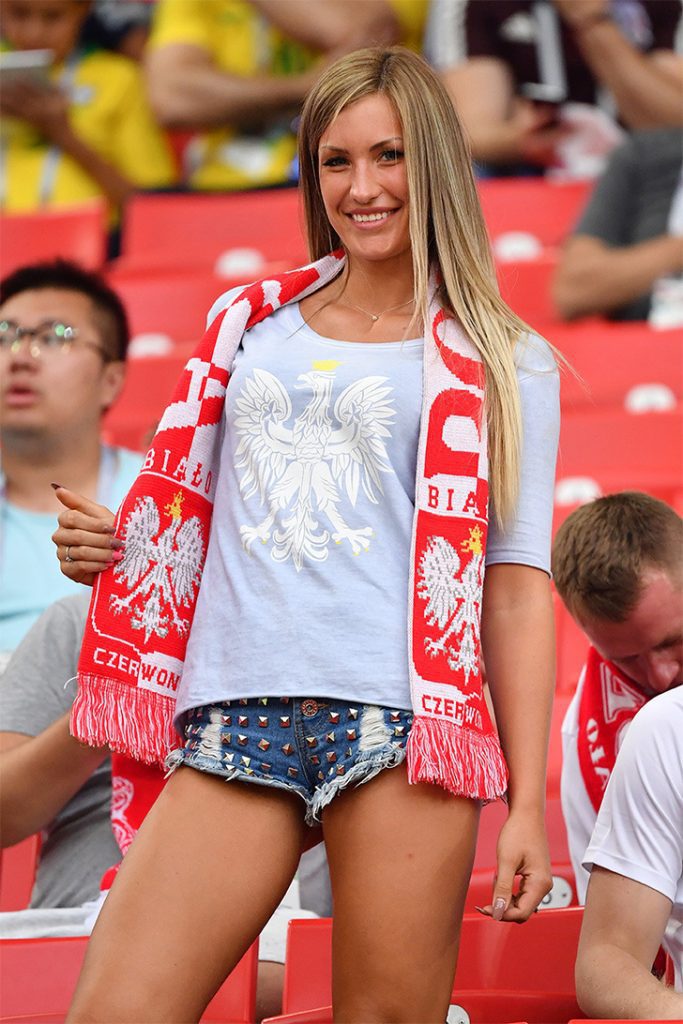
Poland’s national soccer team, the “White Eagles,” doesn’t just show up, it dives into every match like it has something to prove and zero patience for doubters. And the fans? Relentless in the best way. At the 2018 World Cup, the stands turned into a roaring red-and-white takeover, packed with passionate supporters (yes, plenty of head-turners) and that unmistakable Polish vibe: loud, loyal, together.
Front and center is Robert Lewandowski, a striker who scores with the kind of inevitability you expect from a Polish winter: it’s coming, deal with it. The White Eagles mix hard-nosed defending with sudden, surgical attacking, a perfect reflection of a country that’s built on grit and refuses to be pushed around. Their matches aren’t just games; they’re full-volume demonstrations of Polish pride, unity, and a stubborn refusal to back down.
Brazil: Where Football Is Practically a Religion
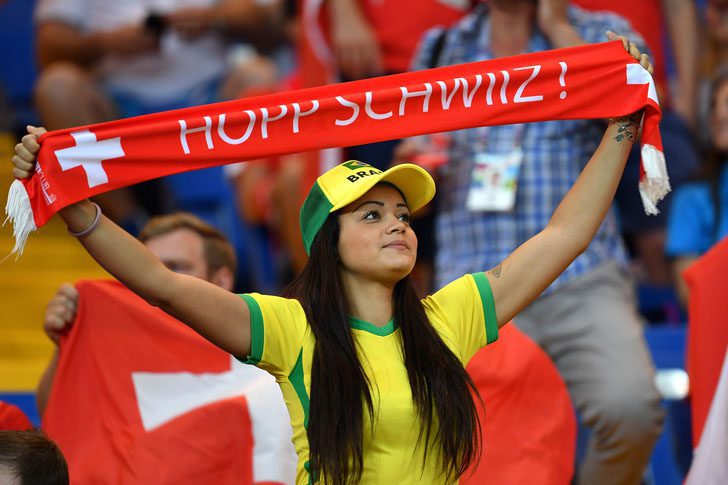
Every four years, Brazil doesn’t just “get excited” for the World Cup, it basically combusts. Fans show up ready to roar for a team that glides through the tournament like it’s choreographed, all swagger, samba, and zero apologies. With a football legacy that never stops flexing, Brazil stays a global magnet for believers and bandwagoners alike. One diehard even swallowed the freezing Russian misery in 2018 just to back her squad in that nail-biting clash with Switzerland, a gritty 1-1 draw that had everyone yelling at their screens.
And no, Brazil’s football obsession isn’t some modern hype cycle. It’s been loud for decades, dating back to the 1950 World Cup, when Maracanã Stadium was crammed beyond reason, smashing records with a jaw-dropping crowd for the final against Uruguay.
Poland
Poland’s ride through international soccer is pure chaos in the best and worst ways, soaring one minute, face-planting the next, and still showing up to every World Cup with fresh belief and a chip on its shoulder. The 2018 FIFA World Cup in Russia was their seventh appearance, and they were thrown into Group H with Colombia, Japan, and Senegal, a lineup that offered zero freebies.
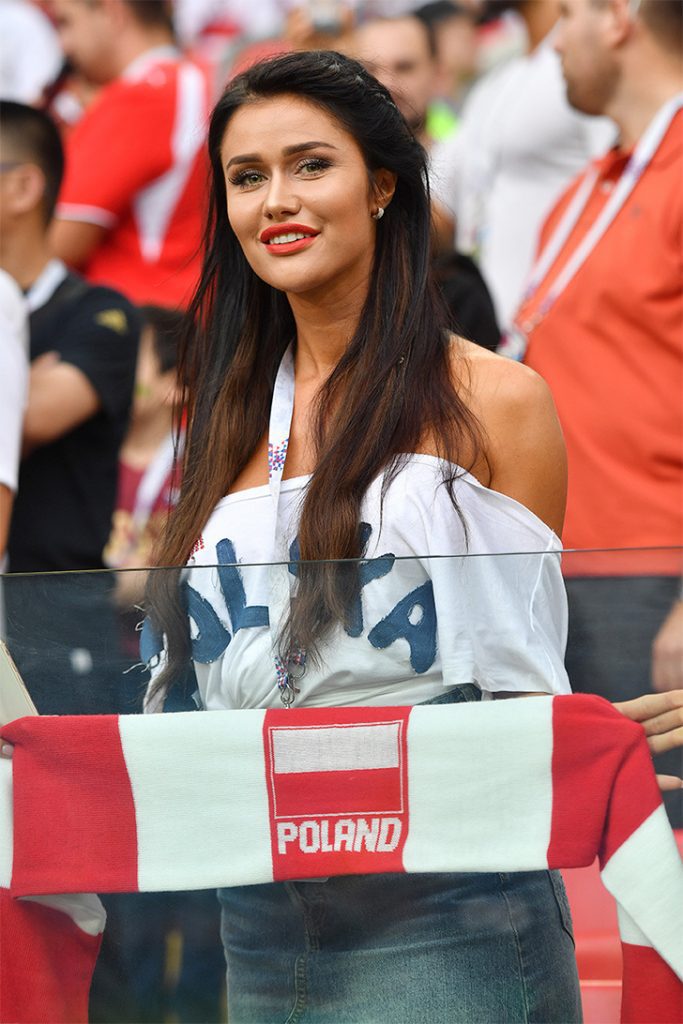
This photo catches one lucky Polish supporter going all in during the bruising clash with Senegal, a match that ended in a gut-punch 2-1 defeat. Poland didn’t survive the tournament, but the fans never folded, not for a second. Every World Cup is another loud reminder that Poland’s game keeps leveling up, edging closer to the club of Europe’s heavy hitters, whether anyone’s ready to admit it or not.
Senegal
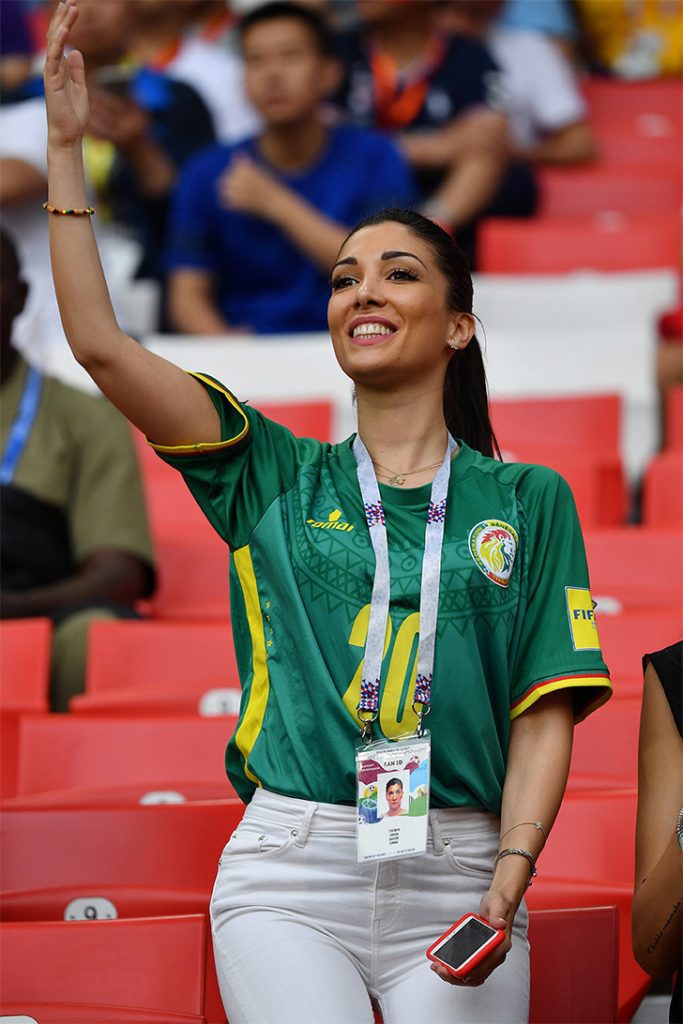
In a riot of green and yellow, a fiercely proud Senegalese woman made the trip to Russia in 2018, shoulder to shoulder with fellow fans, to roar for the Lions of Teranga. African football supporters do not do “quiet,” they show up with drums, swagger, and enough electricity to jolt a stadium awake.
The match itself was pure edge-of-your-seat stress, and Senegal played with real grit, but it still wasn’t enough to escape the group stage, and the World Cup dream stayed exactly that, a dream. And if you think Senegal only lives for football, think again. Wrestling, or “laamb,” pulls crowds and devotion that rival the beautiful game. In this West African powerhouse, sport is not a pastime, it’s a full-blown public celebration, every time.
Saudi Arabia’s Soccer Scene Is Getting Loud
Soccer fever is ripping through Saudi Arabia, and the stands are no longer a men-only echo chamber. Women are showing up, turning up, and throwing their voices into the chaos of men’s matches, making the whole scene feel sharper, louder, and more alive. Qatar 2022 was Saudi Arabia’s sixth World Cup appearance, and their striking supporters added color and nerve even when the tension was thick enough to chew.
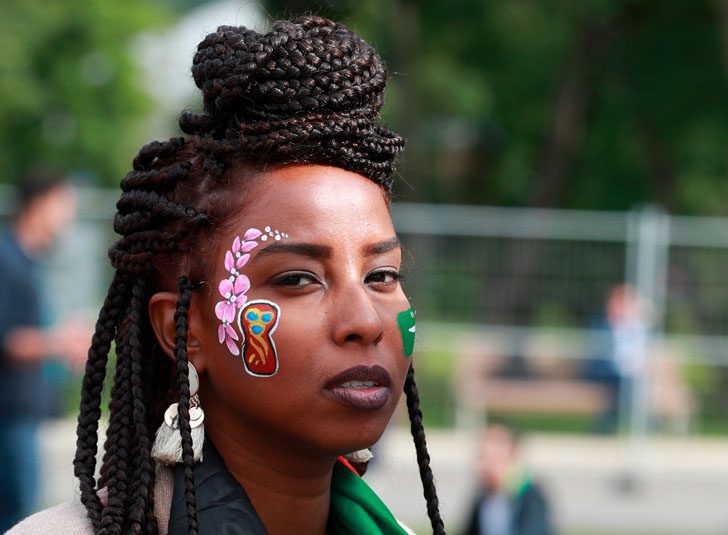
The tournament kicked off with a brutal reality check, a 5-0 loss to Russia, but the loyalty didn’t flinch. One Saudi fan was spotted backing her team with the kind of conviction that doesn’t care about the scoreboard. And if you’re looking for the country’s real World Cup calling card, it still points back to 1994, when Saudi Arabia crashed into the Round of 16 and announced itself to the world. That run delivered unforgettable moments, including a famous stop by Egypt’s goalkeeper, Essam El Hadary, against another side, a snapshot of how far the region has pushed its way onto soccer’s biggest stage.
Egypt: The Pharaohs, the Passion, and the World Cup Reality Check
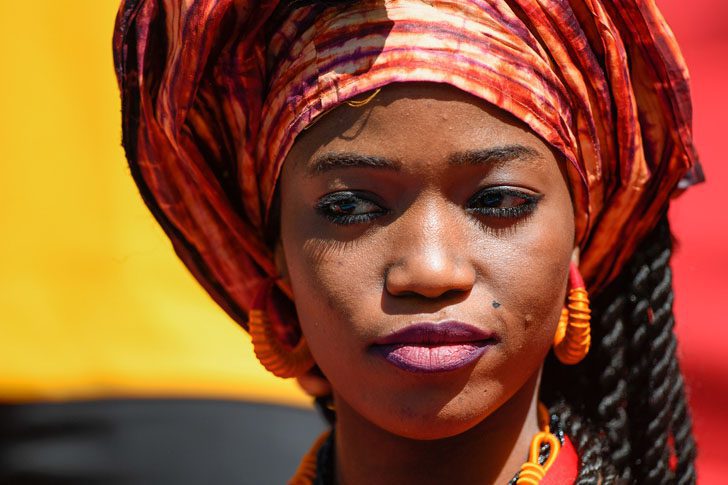
Wrapped head to toe in a glittering Pharaoh costume, an Egyptian woman stole the spotlight at the World Cup, and honestly, good. She was a walking reminder that Egypt does not just show up to football, it shows up with history, heat, and a fanbase that treats the game like a national heartbeat. Egypt first stepped onto the World Cup stage back in 1934, and despite all the talent and noise, they have only made it three times, with the latest trip coming in 2018.
The high-water mark is still that very first run in 1934, when Egypt reached the Round of 16 and carved out a place in tournament history as one of Africa’s earliest representatives. Fast-forward to 2018, and the moment that hit hardest belonged to veteran goalkeeper Essam El Hadary, who turned into a folk hero by saving a penalty against Saudi Arabia, a stubborn, defiant flash of Pharaohs pride under the brightest lights.
Russia’s Football Fever
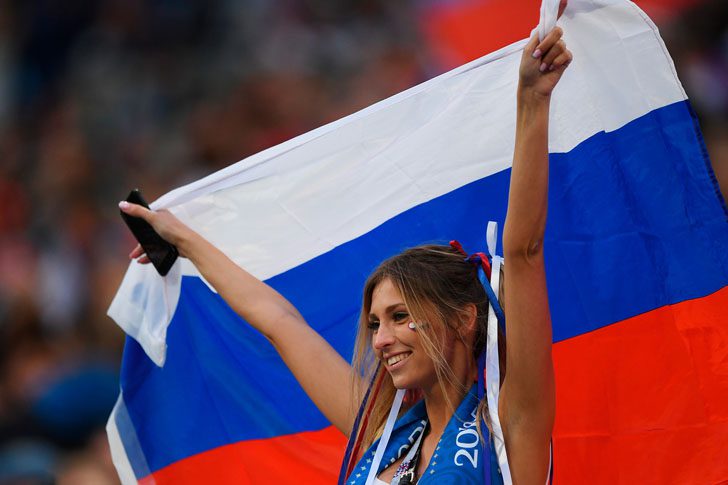
Russia is one of those heavyweight names in world football that people love to talk about, whether they’re cheering or side-eyeing. When the country hosted the 2018 World Cup, the place practically crackled with national pride. In the middle of the roaring stands, a fan whipped her flag through the air as Russia took the field for its eleventh World Cup appearance. And no, they didn’t just show up to make up the numbers, they went on a headline-grabbing run all the way to the quarter-finals.
The Russian game has never been short on icons, starting with Lev Yashin, the goalkeeper so legendary he’s still treated like the gold standard. The 2018 tournament put Russia’s bite on full display, along with the relentless energy of supporters who turned every match into a loud, unapologetic festival of football obsession.
France, Unfiltered
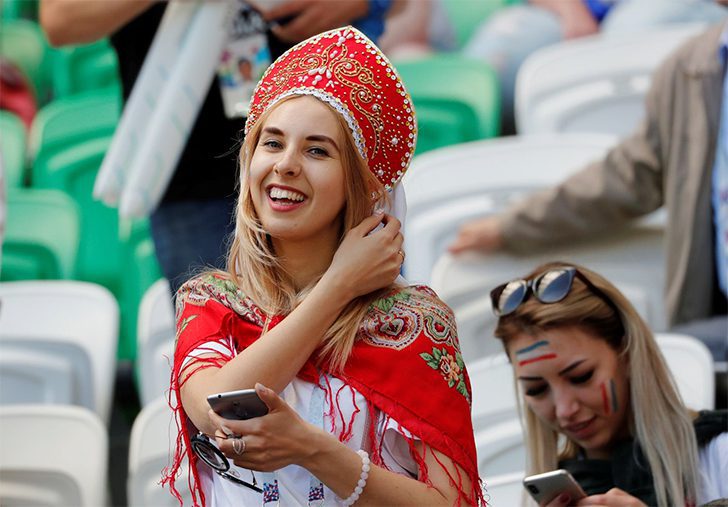
At the 2018 World Cup, France didn’t just win, they lit the whole tournament on fire, marching to a second title with the kind of swagger that makes rivals grind their teeth. And in the roar of it all, one French supporter stole a slice of the spotlight during the match against Australia at Kazan Arena. Wearing a classic Russian headdress, she popped in the crowd like a flare, a cheeky, brilliant mashup of French passion and Russian welcome.
This wasn’t just a look-at-me costume moment, it was a pointed nod of respect to the host nation’s culture. Meanwhile, on the pitch, France served a straight-up football clinic, with the electric Kylian Mbappé leading the charge and reminding everyone exactly why France gets treated like royalty in this sport.
Colombia
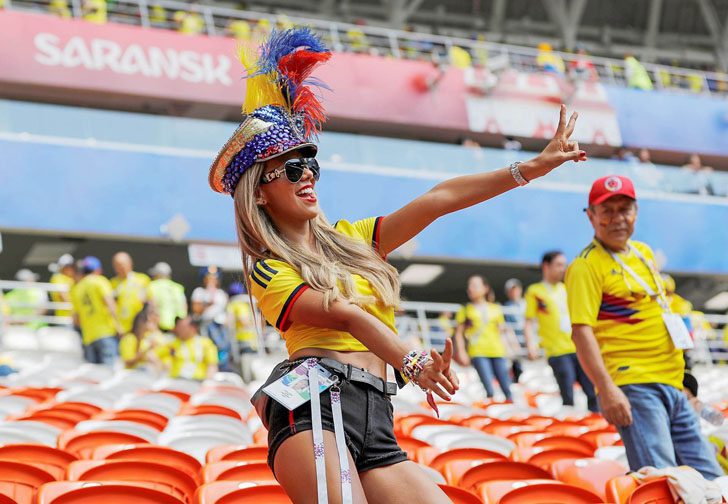
Draped in her country’s loud, unmistakable colors, a fired-up Colombian fan bottled the whole vibe of her nation at the 2018 World Cup in Russia. Colombia turned heads by punching into the knockout rounds, then got sent home in the round of 16 after a brutal penalty shootout loss to England.
People love to label Colombians as some of the happiest humans on the planet, and honestly, their parties make a strong case. That joy, that togetherness, it’s baked into the culture, which is why match day doesn’t feel like a game so much as a street festival with a scoreboard. Case in point, this stunning supporter, equal parts football obsession and cultural pride.
Japan: The Samurai Blue Don’t Do Half Measures
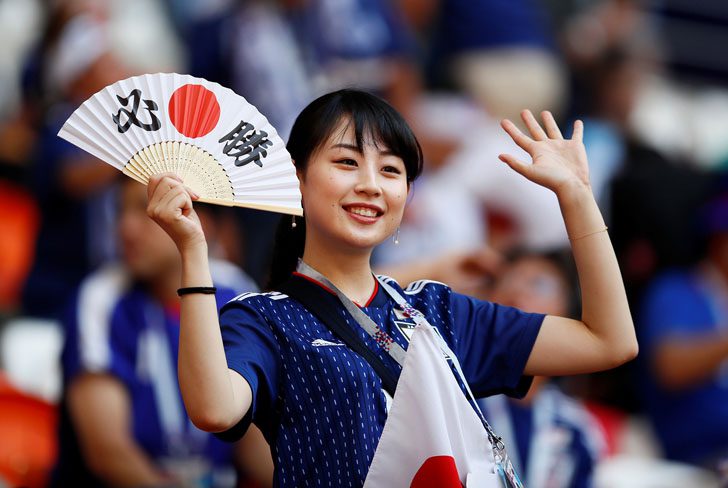
Wearing her nation’s symbol like a badge of honor, one fan captured the loud, proud energy Japan brought to the 2018 World Cup. Japan’s national team, famously nicknamed the Samurai Blue, has been a regular on the tournament stage since 1998, and they have made it clear they are not there to make up the numbers. Their peak runs came in 2002 and 2010, when they muscled their way into the round of 16.
No, Japan hasn’t lifted the World Cup trophy yet, but dismissing them would be lazy. Their game is built on discipline, structure, and tactical precision, basically the football version of doing the job properly. In a culture that reveres tradition, from sumo to other homegrown sports, football has been adopted with real intensity, because it rewards the same things Japan respects everywhere else: hard work, teamwork, and a relentless obsession with getting better.
Poland, Loud and Proud
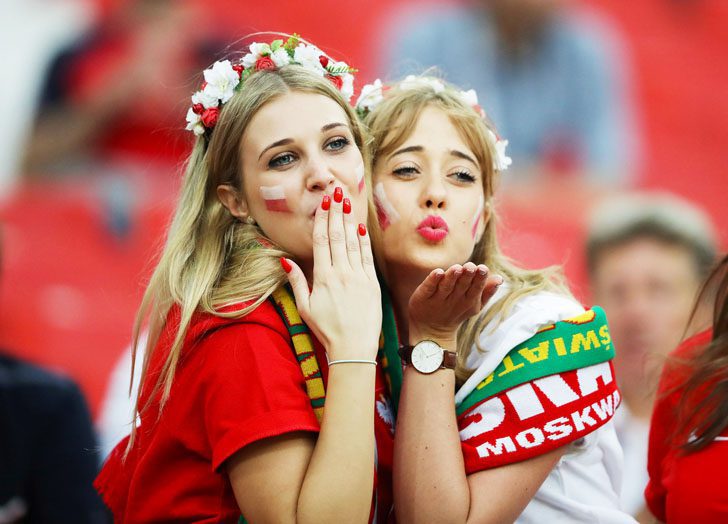
At the 2018 World Cup in Moscow, two bold Polish women hijacked the spotlight in the best way, blowing kisses toward their squad and basically daring the whole stadium not to notice. That is Polish fandom in a nutshell: unapologetic, emotional, and impossible to ignore.
Sure, Poland still hasn’t hoisted the World Cup trophy, but you would never guess it from the way the players are backed. The loyalty is relentless, the pride is loud, and the support doesn’t come with conditions. In Poland, sport actually matters, especially football and volleyball, and it’s tangled up with the country’s love of folk tradition, rowdy music, and full-throttle celebrations. Put it all together and you get a fan culture that doesn’t just show up, it takes over.
Iran, Loud and Proud
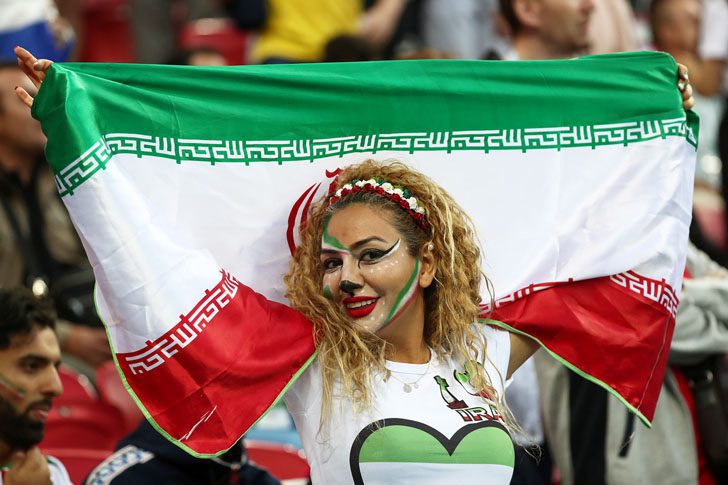
Iran’s sixth trip to the World Cup, in Qatar 2022, didn’t just show up, it lit a match under the fanbase and watched the whole place glow. Sure, Iran has been bounced in the group stage in all five previous appearances, but try telling their supporters to tone it down. At the 2018 World Cup in Russia, Iranian women in the stands turned heads with striking looks and fearless style, mixing tradition and modern flair like they owned the tournament.
One especially fired-up fan became a walking symbol of pure joy and unapologetic freedom during the tense showdown with Spain. Team Melli fell 1-0, painfully close, but the real story was the stands, buzzing, singing, and refusing to shrink. It was a loud, living display of culture, pride, and the kind of loyalty that doesn’t care what the scoreboard says.
Brazil, Loud and Proud
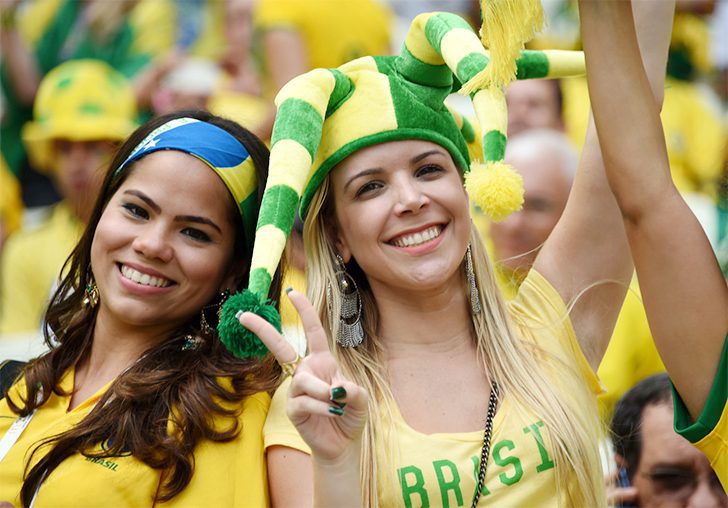
Two-spirited Brazilian women stole the spotlight at the 2014 World Cup, showing up with full-throttle pride and backing their team like it was a personal mission. And Brazil, as the host, did not just “prepare”, it went all in, pouring money and muscle into stadium makeovers, infrastructure overhauls, and heavy-duty security. The payoff was a global spectacle that pulled in roughly 3 million fans, turning the country into a football-fueled street party that refused to sleep.
Sure, Brazil’s run ended with a rough 3-0 loss to the Netherlands in the third-place match, leaving them in fourth, but the scoreboard was not the whole story. What stuck was the swagger: the riot of color in the stands, the nonstop buzz in the streets, and a tournament that put Brazil’s culture and obsession with the beautiful game on unapologetic display.
Tunisia
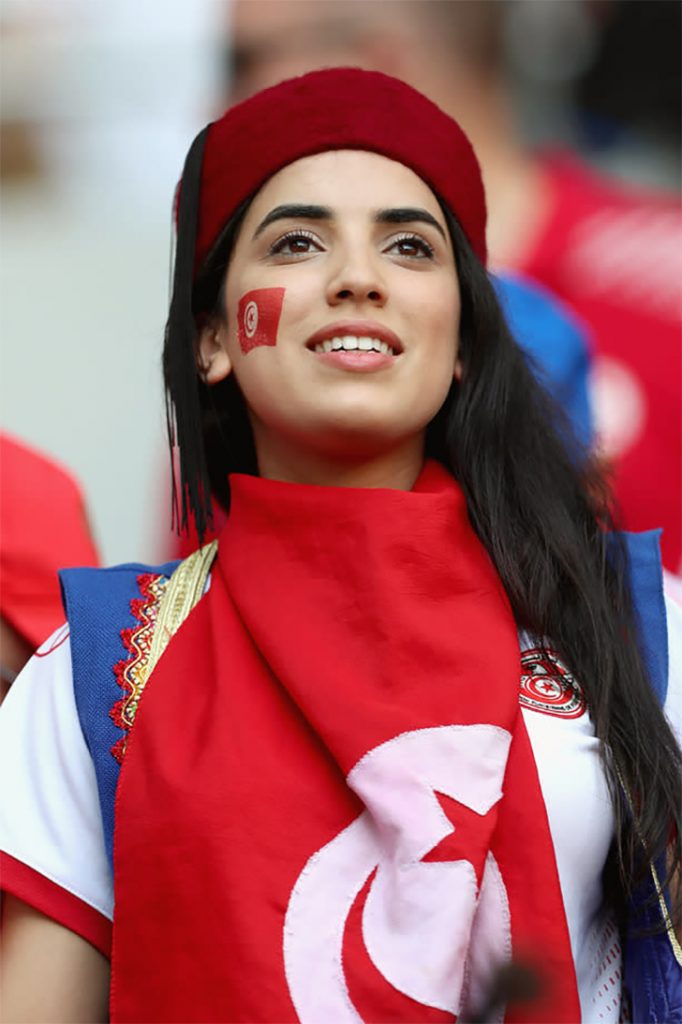
Tunisia crashed the FIFA World Cup party in 1978 and immediately made history, becoming the first African team to win a match at the tournament. They have shown up five times in total, and yes, every run has ended in the group stage, but that record still screams grit, persistence, and a steady rise in African football’s muscle.
The high-water mark is still that first appearance in 1978, when Tunisia did not just participate, they announced themselves by beating Mexico in a result that forced the football world to pay attention. It was a shot of confidence for a continent overflowing with talent and too often denied the spotlight. And when Tunisia plays, the stands pulse with that same stubborn, hopeful energy, like the woman pictured here.
Brazil, Loud and Proud
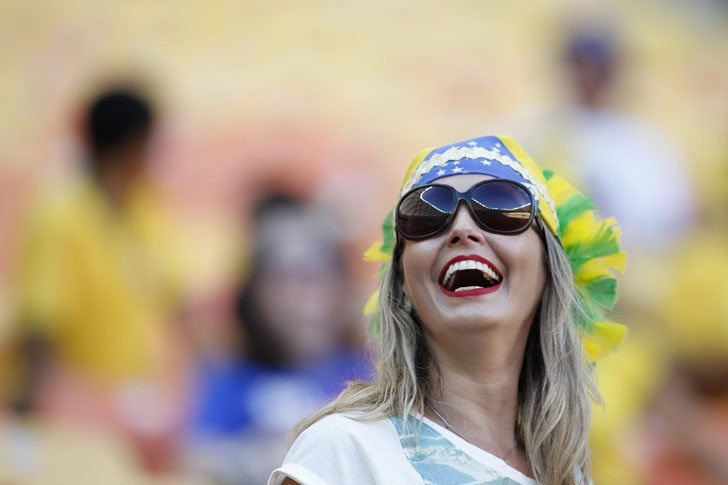
At the 2014 World Cup, one beaming fan was drinking in the crackling energy at Arena da Amazônia in Manaus, wrapped head to toe in Brazil’s unapologetic green, yellow, and blue. Those colors are not just “cute,” they are basically a national mic drop: green for the rainforest muscle, yellow for the country’s gold-soaked history, and blue for that huge Brazilian sky that looks like it was painted to show off.
She couldn’t make it to every match Brazil played, but she showed up to the England vs. Italy clash like it was the main event of her life, and Italy walked away with a 2-1 win. Didn’t matter, her energy never dipped. That’s the thing about Brazilian support: it’s relentless, it’s loud, and it turns a simple football match into a full-blown celebration of the sport and the country behind it.
Germany: The Team That Actually Played Like One
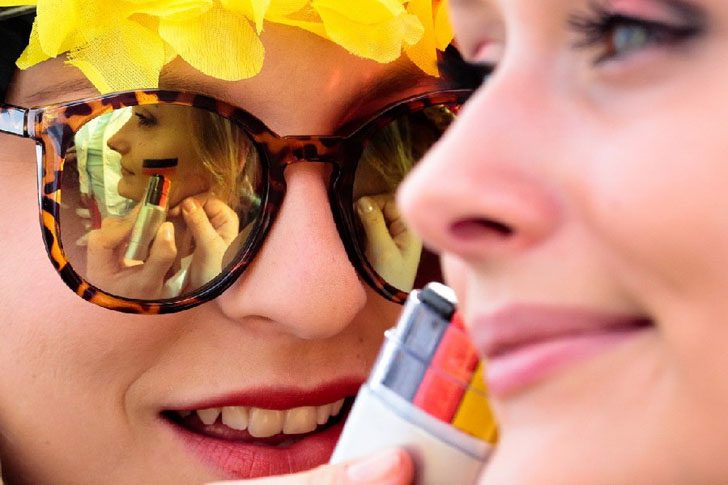
In 2014, Germany’s national team, proudly branded “Die Mannschaft,” didn’t just wear the nickname, they earned it. This was teamwork with teeth: ruthless, organized, and miles ahead of the usual World Cup chaos. They came in as favorites, then played like it, no apologies.
Back home, German supporters brought the full-volume devotion, including die-hard women in black, red, and gold face paint, watching the machine roll through the tournament. And when it mattered most, they got the payoff: Germany grabbed their fourth World Cup crown, sealed in heart-stopping fashion by Mario Götze’s iconic winner in the final against Argentina.
Brazil, and the Beautiful Chaos
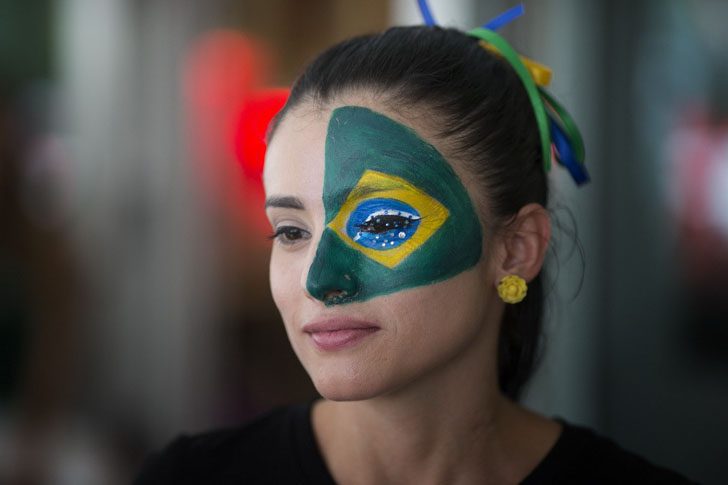
When Brazil hosted the World Cup, the hype wasn’t just loud, it was practically a broadcast signal. The whole country crackled with swagger, and fans everywhere soaked it up, from Rio to the far corners of the globe. Marcella Guevara, a diehard believer in the Samba Boys, caught Brazil’s opening 3-1 win over Croatia from Miami’s buzzing Kukaramakara cafe, where every cheer felt like a promise.
But for all the confetti and chest-thumping optimism, the story swerved hard. What started as a celebration ended in a jaw-dropping 7-1 semifinal humiliation at the hands of Germany, the kind of loss that doesn’t just sting, it rewrites your mood for a decade. With that collapse, Brazil missed the chance to join the club of host nations that lift the trophy at home, becoming the sixth host to come up empty. Still, fans like Marcella didn’t fold, because Brazilian passion doesn’t tap out just because the scoreboard gets ugly.