
The Surprising Thing That Made Viking Marriage Deals Work
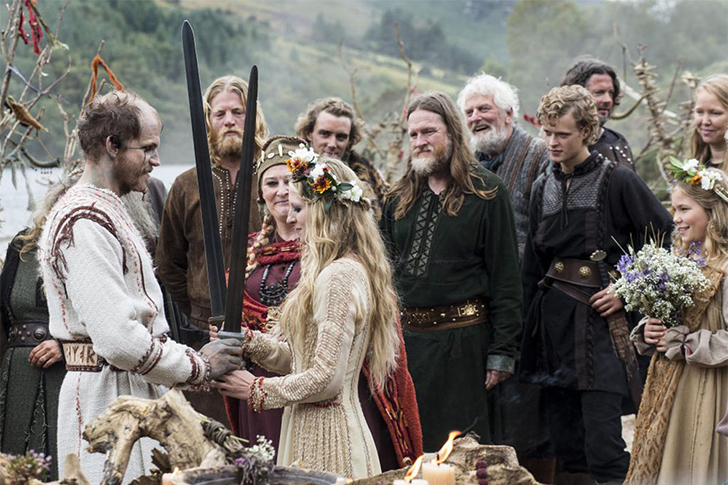
Viking weddings were less “romantic sunset by the fjord” and more “serious family meeting with receipts.” The groom’s main deal was the mundr, a bride price to the bride’s family. It showed he could manage a household and maintain stability. Marriage was like a contract, with everyone wanting clear terms to avoid surprises later.
The bride’s family countered with a dowry called heiman fylgia: land, cattle, silver—real assets to strengthen the new household and safeguard the bride’s position. In Iceland, an eight-ounce silver mundr was typical, with the heiman fylgia often matching it. This exchange wasn't just between two people; it was a pragmatic alliance binding families with shared interests.
The One Thing Viking Ships Didn’t Have, Cabins
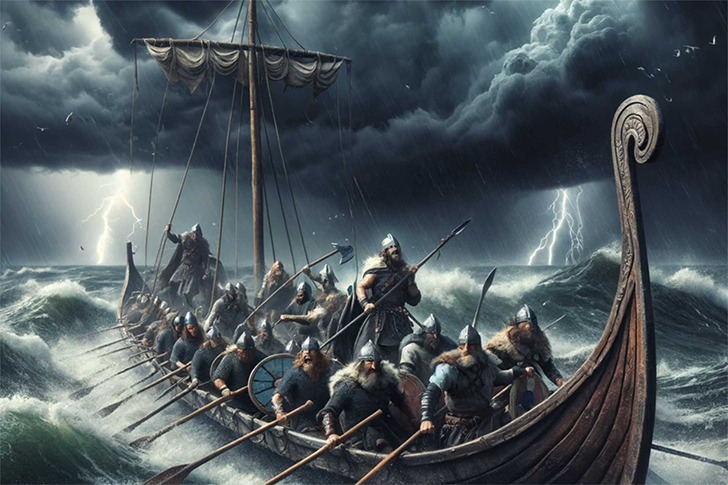
Here’s what people forget about these ships. Longships and knarrs weren’t floating hotels; they were open boats. The crew steered, worked, ate, and rested on the deck, with only the sky above. When docked for the night, they’d lower the sail over the hull, forming a makeshift tent for weather protection.
At sea, there was no cozy fallback. No doors or warm bunks. Surrounded by open water, the crew endured the North Atlantic's wrath. They huddled under animal-skin blankets, trying to retain heat as cold winds and salty spray lashed them. It wasn’t romantic or comfortable, but it was essential for survival.
The Viking Lucky Charm You Didn’t Expect: A Pair of Giant Cats
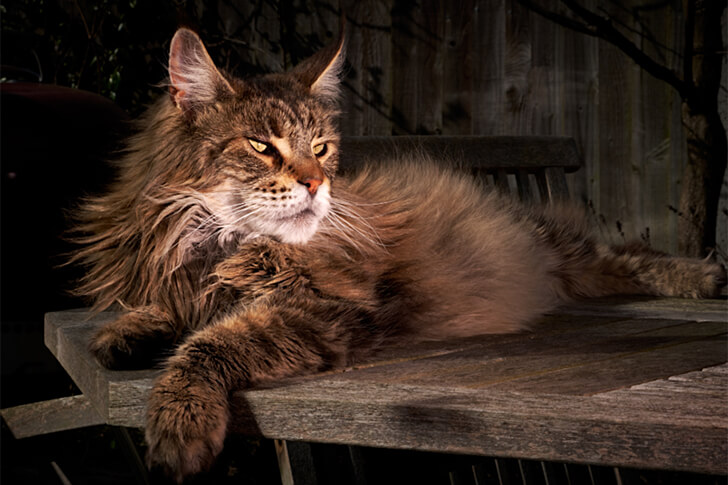
Vikings didn’t just keep cats for rodent control; they featured in myth too. In Norse stories, Freyja, the goddess of love and fertility, rides a chariot pulled by two massive cats. This image bolstered cats' reputations, making them symbols of luck. Archaeologists have found Viking Age graves with cats buried alongside people, indicating they were companions, not just barn animals.
There's little evidence that kittens were routinely wedding gifts, but old customs linked cats with good luck for brides. Around 900 AD, traditions associated them with blessings and favorable weather, practical magic desired for weddings. Thus, cats held a crucial role beyond mousing, sitting at the crossroads of life and folklore, securing their place in culture with each purr.
Why Were Vikings Filing These Perfect Lines Into Their Front Teeth?
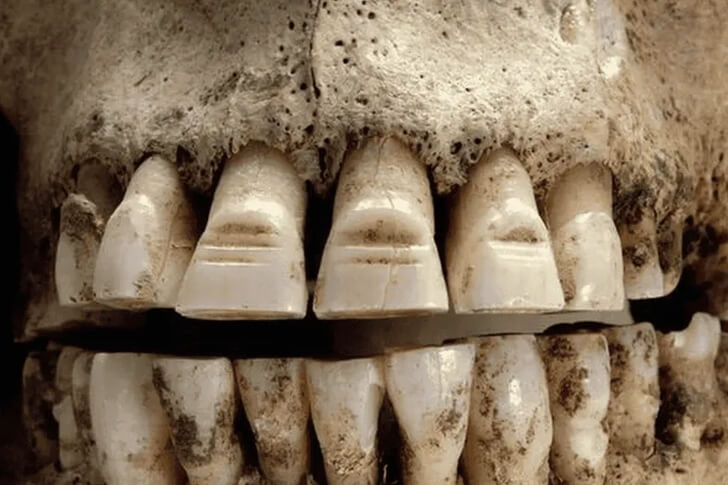
Archaeologists exploring Viking Age graves have discovered a peculiar detail: about 130 men were laid to rest with intentional grooves carved into their front teeth. These lines are not accidental chips but rather precise, consistent marks found in places linked to commerce, like Sweden’s Gotland and trading hubs such as Kopparsvik. They seem akin to a calling card, etched onto a smile.
Researchers theorize these marks weren’t self-made. The precision suggests a specialist might have done the work. What was the purpose? The grooves could signify status, loyalty, or affiliation with a group, possibly merchants or those connected to Norse networks. These findings, mainly from 10th and 11th century Scandinavian graves, suggest a regional fashion with significance, rather than a fleeting trend.
How One “Sunstone” May Have Let Vikings Find the Sun in a Gray Sky
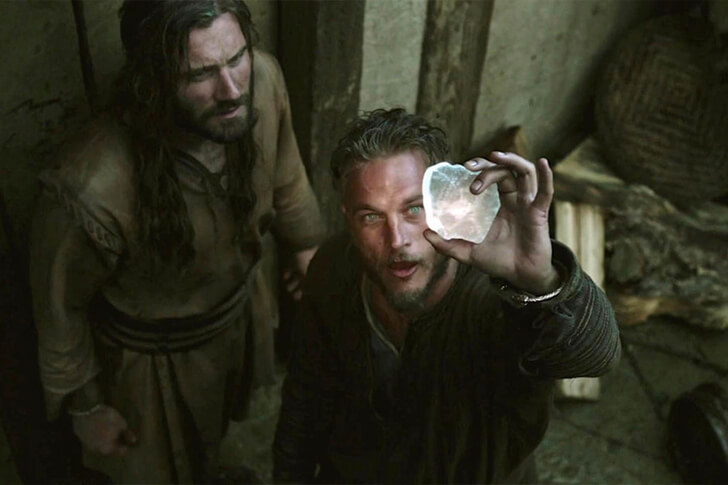
Long before magnetic compasses became Europe’s navigation staple, Viking sailors might have had a savvy backup plan for dreary days. Old Icelandic sagas mention a sólarsteinn, or “sunstone,” to locate the hidden sun. This notion sounds almost too clever, especially with dense fog and low clouds threatening a steady course across open waters.
Today, many researchers believe this “sunstone” was a smart optical device. A polarizing crystal, like Iceland spar, responds to scattered light, revealing the sun's position even when it's unseen. By rotating the crystal and observing brightness changes, one can deduce the sun’s direction. In skilled hands, this could maintain a reliable heading across the North Atlantic, even around 1000 AD.
The Dark Side of Viking Raids, and the “Thralls” They Took Home
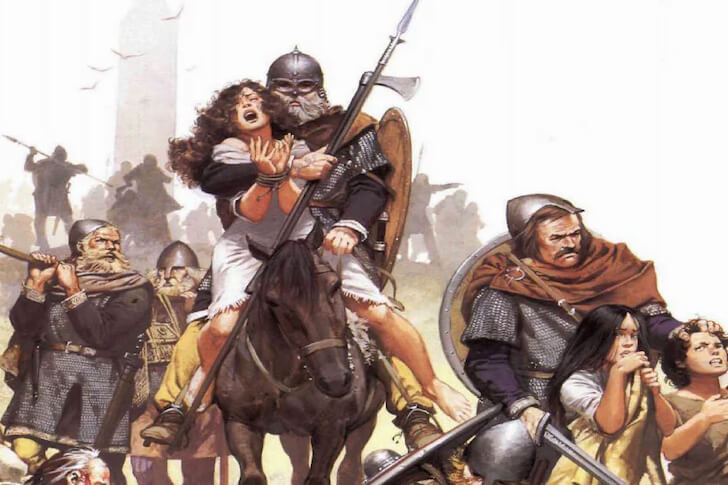
When Norse warbands attacked towns, they sought more than treasure. They abducted people, making them thralls—enslaved individuals subjected to tasks like cooking, cleaning, and water hauling. Women suffered great vulnerability, pushed into domestic service and often sexual exploitation, depending on their buyers' demands.
Historical records are candid. The Annals of Ulster recounts an 821 raid near Dublin capturing “a great number of women.” Such raids were integral to the Viking economy, connecting European coasts to Middle Eastern slave markets. Captured women could face lifelong servitude, treated as property without hope of freedom.
Why Do Viking Helmets Have Horns in Every Picture, Yet None in the Ground?
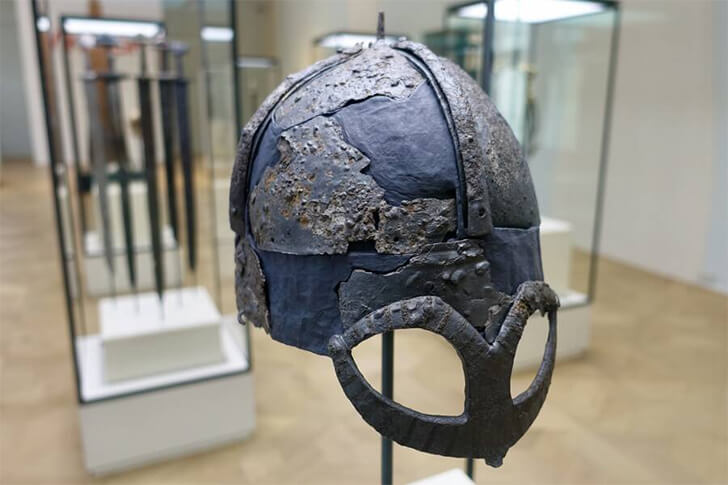
You know the look, a burly warrior, a horned helmet, instant “Norse” vibes. It shows up everywhere, from cartoons to team logos, like it's historical fact. Here’s the problem: archaeology does not back it up. Across the Viking Age (793 to 1066 AD), researchers have not uncovered a single horned helmet. If horns were typical gear, you’d expect at least a few to turn up in burials or treasure finds. Instead, evidence is stubbornly horn-free.
What we do find is more practical. The famous Gjermundbu helmet from Norway, plus fragments from Denmark, Sweden, and Ukraine, look like real fighting equipment. They are built to protect a head, not to put on a show. Horns would be a liability in a brawl, something for an opponent to grab. The horned helmet image is an 1800s invention, pushed by artists and opera costume designers wanting drama, not accuracy.
That “Viking Skull Cup” Story? Here’s What They Actually Drank From
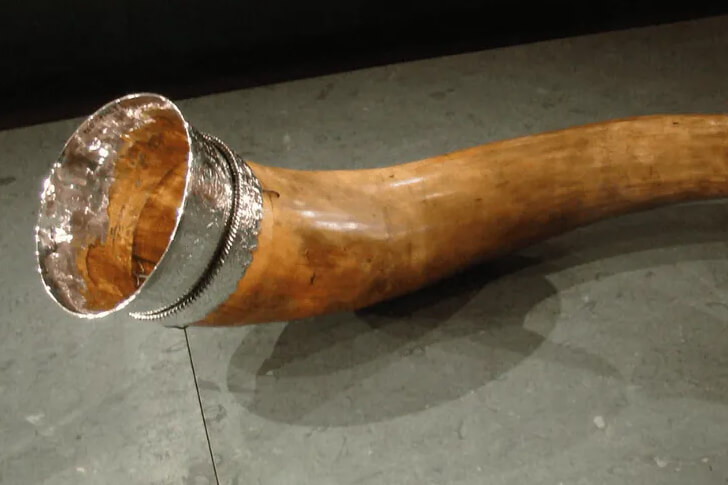
The famous image of Vikings chugging from an enemy’s skull sounds metal but is a mistranslation that grew legs. In the skaldic poem Krákumál, a kenning reads like “the curved branches of skulls.” Dramatic indeed, it's poetic code, not a literal party trick. It points to drinking horns—made from animal horn, not human craniums. The “skull cup” vibe results from language confusion, not Viking tableware.
The skull-drinking idea took off in the 1600s when a reader took that line too literally. The myth wrote itself, but evidence says otherwise. Old Norse texts and finds show the use of horns from cattle or goats, often with metal mounts. These were practical for feasts, with mead and ale as the usual pours—not sipped from skulls like a movie prop.
This Bowl of Onion Soup Was a Viking Lie Detector
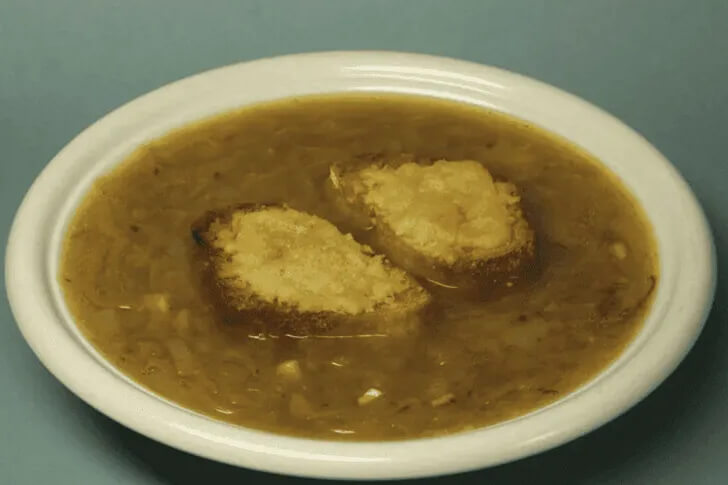
Viking-age medicine combined practicality with grim ingenuity. Norse sagas from the 1200s describe a straightforward test for stomach wounds. Healers gave injured warriors a potent soup of onions or leeks. The objective wasn't nutritious—it was diagnostic.
Healers would then smell the wound. If the pungent odor emerged, it indicated a bowel puncture, typically a death sentence then. No scent meant no leak, suggesting the warrior might survive. Despite its legendary aura, the logic was clear: if soup seeped out, the injury was severe, often fatally so.
The Silver “Receipt” That Bought England a Break From Vikings
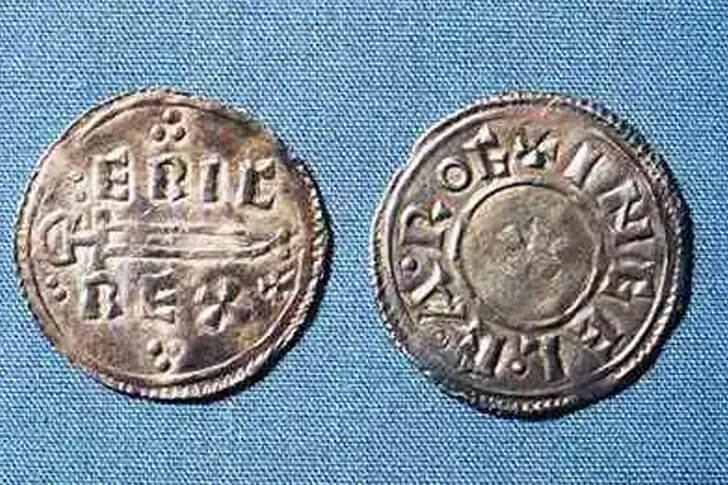
When Vikings showed up at monasteries or trading towns, they sought loot and quick exits. English kings faced the dire choice: pay now or suffer worse later. This “protection money,” known as danegeld, was essentially, “Lovely place you’ve got here, would be a shame if anything happened.”
After the Battle of Maldon in 991 CE, English leaders handed over 10,000 pounds of silver to deter raids. Did it ensure lasting peace? Not reliably. Sometimes the calm was brief; at other times, the payout highlighted available wealth. This built the Vikings’ reputation and bankroll, making them feared regulars, the last visitors anyone wanted to see.
The Viking “Game” That Turned a Swimming Pool Into a Fight Club
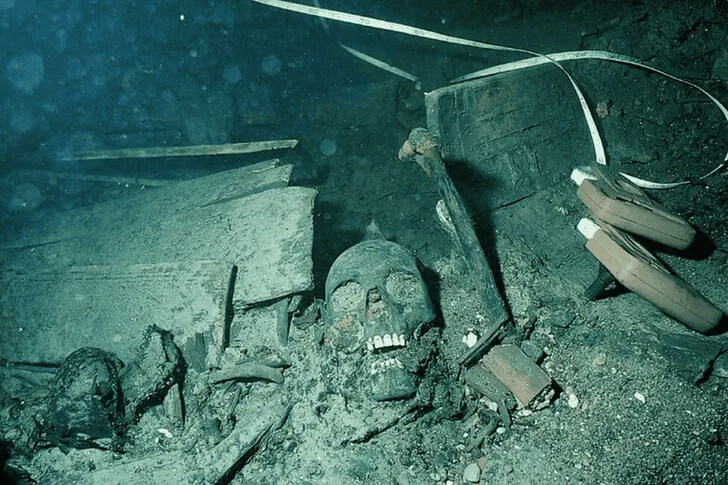
Vikings were not big on “friendly” competition, and their water games could get seriously brutal. In the Laxdaela saga and other Norse stories, swimming contests weren’t about neat strokes or speed. They were stress tests for strength, guts, and stamina. Two men would square up in the water, grapple like wrestlers, then haul each other under, trying to keep the other submerged long enough to force a surrender.
One story features Kjartan and a rival in a relentless will battle. They’d sink, thrash, claw free, then burst up for air, only to dive right back into the struggle. Eventually, they surface for good and agree to stop. It wasn’t just spectacle; it was a loud, soaking-wet way to prove toughness in Viking society.
The One Reindeer-Skin Coat Detail That Keeps Sparking Viking Armor Debates

In Viking Age Scandinavia, reindeer hides were common in everyday gear. But one saga detail keeps drawing attention. In Heimskringla, written by Snorri Sturluson around 1225, there's a tale about Thórir Hund and his winter crafts. After trading with the Sámi, he's said to have commissioned twelve reindeer-skin coats, built for extreme cold and travel.
The saga goes further, claiming the hides were imbued with Sámi magic, rendering them impervious to sharp blades—essentially fur-based chain mail. This mystical aspect fuels ongoing debates. The story places this enchanted “armor” at the Battle of Stiklestad in 1030, where history and legend intertwine chaotically.
The Weird Little Fungus Vikings Used to Carry Fire Around
Vikings weren’t just raiding; they cleverly handled a basic need: fire. They used a tree fungus called Fomes fomentarius, or touchwood, by boiling it in stale urine. This process, though unpleasant, infused the fungus with nitrates, enhancing its fire-starting capability.
Once dried, the fungus smoldered rather than flamed, acting like a small coal. This slow burn allowed crews on long voyages to maintain a portable fire source, reviving it into a flame as needed. It simplified camp setups when dry wood or sparks were scarce.
The One Brutal “Solution” Viking Families Used When a Baby Couldn’t Survive
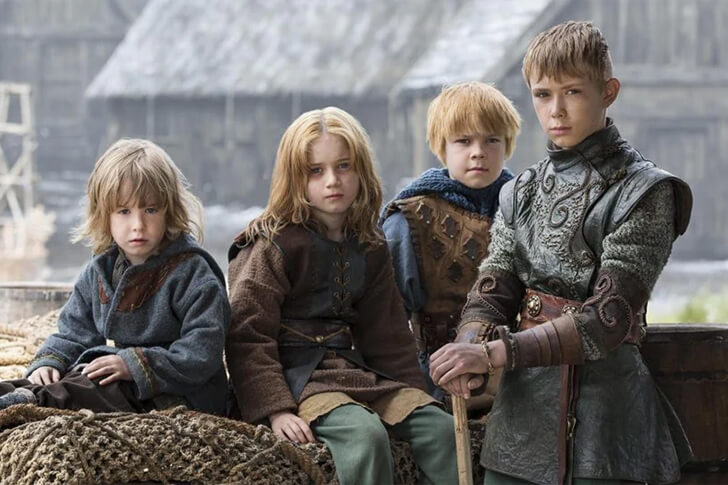
Viking Age Scandinavia faced harsh conditions. When resources were scarce and winters prolonged, survival often took precedence over sentiment. Old Norse traditions, noted in texts from after the Viking era, describe "exposure," where families left severely deformed infants outside to die. This grim logic was practical: a child unlikely to survive could drain vital resources needed for the household’s survival.
Sagas and law codes echo this hard-edged view, especially before Christianity spread in the early 1000s. Compassion often clashed with necessity, and necessity typically prevailed. Seafaring stories emphasize the point. On long voyages, with limited supplies, a weak baby might be left behind, ensuring the crew’s better chance of survival. Harsh, but it fit the survival logic of the time.
What a Viking-Age Skeleton Revealed About the Real Price of Travel
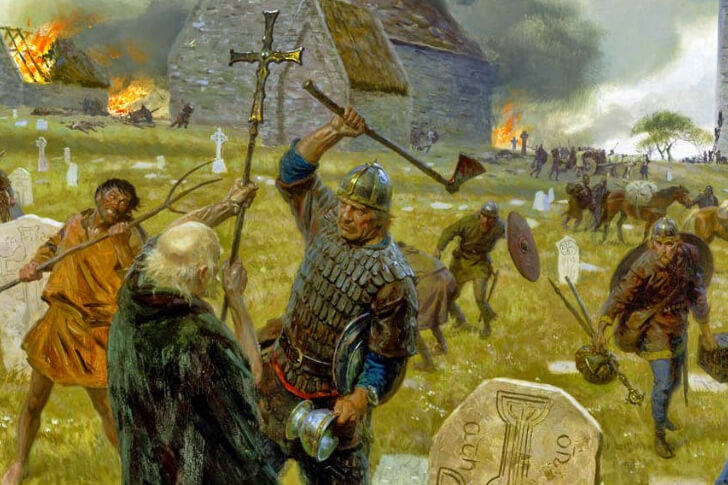
Viking journeys opened trade routes and offered brag-worthy tales, but also spread less glamorous threats. Scientists extracted DNA from the virus causing smallpox from Viking-era burial sites in Denmark, Norway, Russia, Britain, and Sweden. The genetic trail spans AD 600 to AD 1050, the heart of the Viking Age. As long-distance travel boomed, so did the hazards hitching rides with it.
The twist: smallpox strains from these remains don’t match later historical versions, suggesting circulation well before 1000. As crews navigated rivers and seas, they likely carried infections back, an ugly “souvenir.” Docking and mingling with families and neighbors could swiftly turn successful voyages into public health disasters.
The 10-Foot Ox Hide That Could Settle a Viking Lawsuit
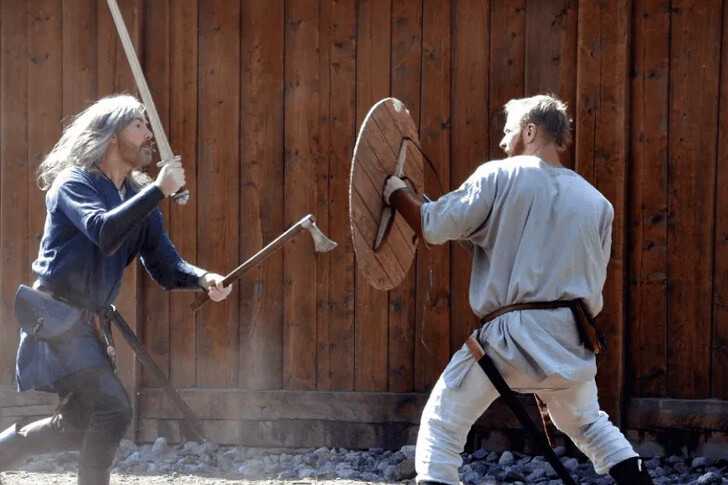
When Viking neighbors reached an impasse, they sometimes resorted to holmgang, a structured version of trial by combat. It was a legal method to resolve conflicts over honor, property, or debts, condensing feuds into court-like hearings with weapons. The duel occurred on a small island or marked patch, defining where the "case" was heard.
An ox hide pegged into a tight ten-foot square set the official stage. Three boundary lines ensured nobody could claim ignorance of the edge. Each warrior brought three shields for a ritualized exchange. Lose too much blood or step outside the lines, and you were considered defeated, both in the fight and the dispute.
The One Viking Duel Rule That Turned a Sword into a Deed
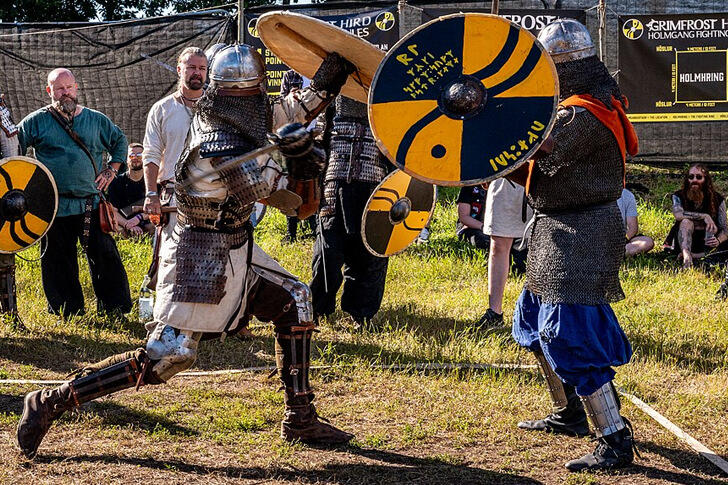
Holmgang was a Viking duel law to settle disputes without community involvement. Two people, a set challenge, a clear outcome. The catch was the prize: the winner could claim the loser’s property, inviting abuse. Some fighters announced a claim on a rival’s assets before the duel, relying on skill and intimidation to win and claim the goods.
Once professional duelists got involved, holmgang seemed less like justice and more like legalized stickup. They targeted weaker opponents, pushed disputes to duels, and manipulated rules to ensure the fight wasn’t fair. People noticed, and lawmakers stepped in. Iceland banned holmgang in 1006, and Norway followed in 1014, ending these officially approved shakedowns and cutting off a favorite hustle for tough fighters.
The Sneaky Viking Words Hiding in Your Everyday English
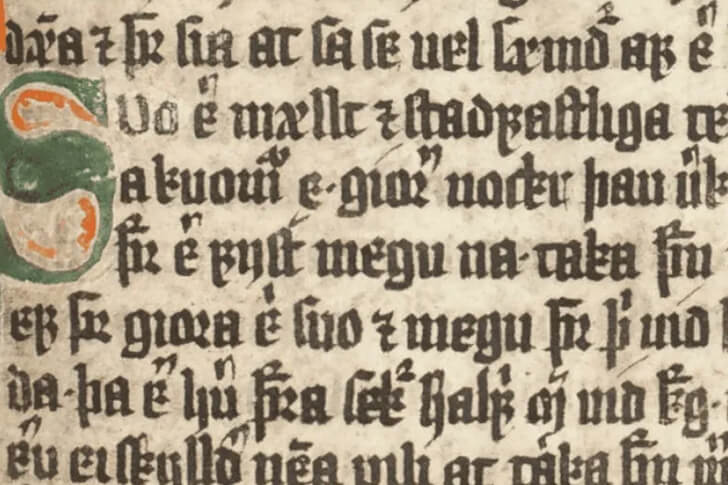
English borrowed more than Viking items like axes and ships. It also absorbed many Norse words during the Viking Age, as Scandinavian settlers mingled with Anglo-Saxons from around 870 to 1066. Old Norse became part of daily speech through shared life and work. This is why terms like ugly, egg, knife, die, give, and husband have Norse origins, even if they sound ordinary now.
Many Norse words replaced older English ones or coexisted with them, blending in seamlessly. Unnoticed by most, their influence runs deep—even affecting grammar. For instance, the pronoun “they” has Old Norse roots. It's a striking example of how much impact these words have on the language we casually use today.
The One Rock in the Ring That Made Viking Wrestling Truly Brutal
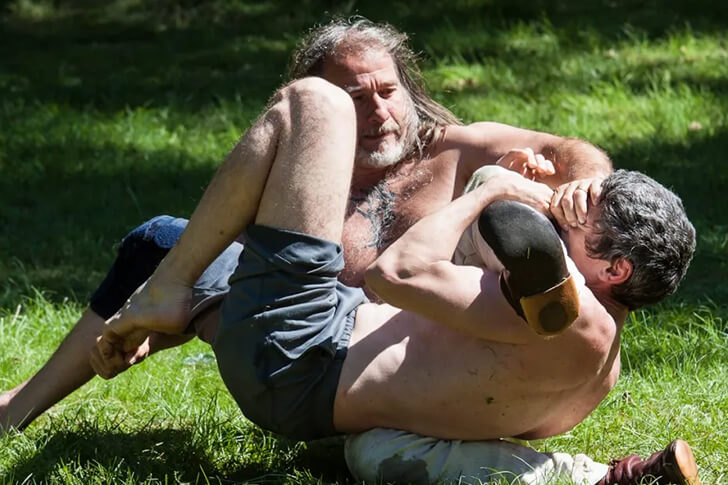
Viking-age wrestling was not some friendly grab-and-roll in the dirt. In glíma (also called fang), bouts came with a nasty upgrade, a big, flat stone set in the ring. According to Old Norse sagas, fighters worked to twist, dump, or drive an opponent onto that rock. Pulling it off was not a point-scoring trick, it was a high-risk move that could leave someone badly hurt.
The stone was not for decoration; it was a built-in punishment, raising the stakes to see who truly had the strength, nerve, and control. One hard shove or well-timed throw could end the match fast. In the worst cases, it could end a lot more than the match. That is the kind of intensity Viking-era competition could bring.
The Viking Game Board That Made Chess Look Late to the Party
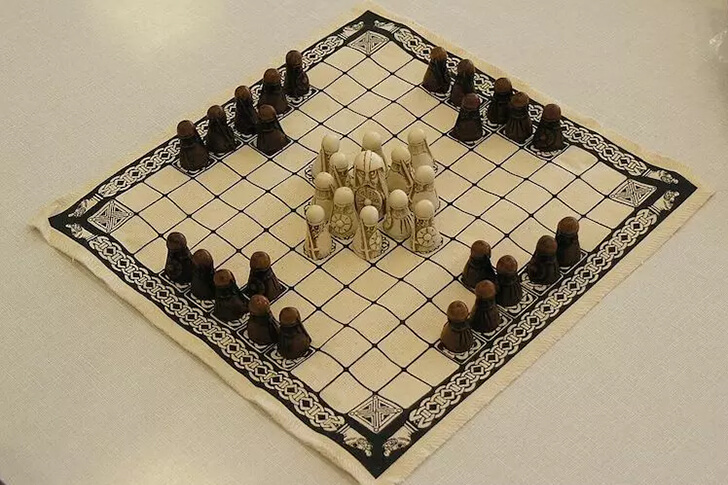
Long before chess became Europe’s go-to “smart person” pastime, Vikings were obsessed with hnefatafl, a tense strategy game. One team guarded a king at the center, with loyal defenders, while the other aimed to close in and capture the king. Defenders had to slip the king through chaos to safety.
Hnefatafl’s popularity is evident from its widespread archaeological finds in Viking graves and settlements across Scandinavia, Ireland, and the Orkney Islands. Boards made from wood, bone, and ivory show its value and suggest it traveled widely with Norse life and trade, commanding cultural significance before chess took the spotlight.
The One Viking Unit That Made Enemies Panic on Sight
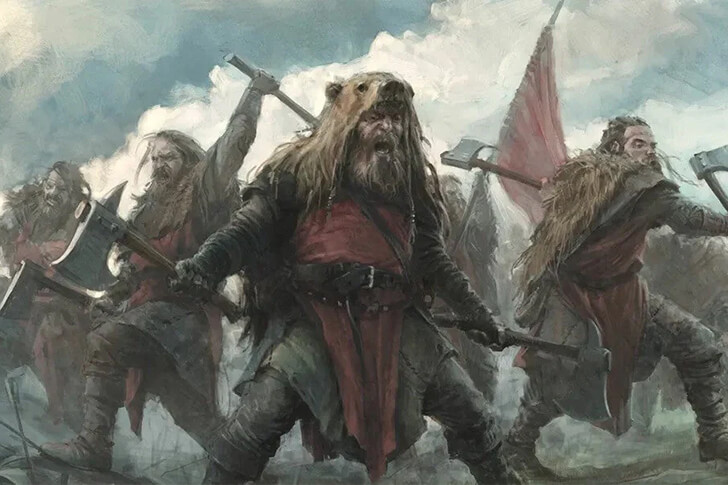
The Vikings had berserkers, not your typical sword-and-shield soldiers. Old Norse sources describe them slipping into berserkergangr, a battle trance driven by pure rage. Stories tell of animal-like howling, frenzied states, foaming at the mouth, and even biting their own shields. Literal or not, they appeared unstoppable and terrifying.
Leaders positioned them up front where impact mattered most. As shock troops for rulers like King Harald Fairhair, they pierced enemy lines and shattered confidence. Sagas claim they barely felt pain, bolstering their legend. True or not, their reputation worked, making foes hesitate and fellow Vikings treat them with awe and caution.
The One Viking “Rage Switch” That Turned Berserkers Into a Problem
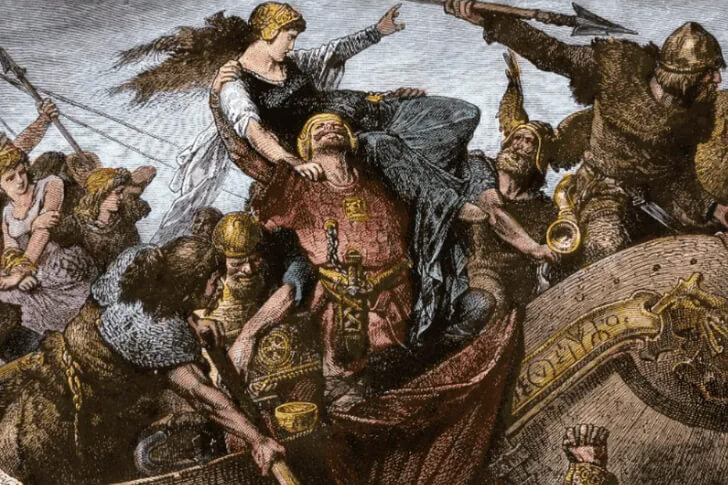
Viking berserkers didn’t just fight hard, they looked possessed. The sagas describe berserkergangr: biting shields, roaring like animals, and charging with that scary, blank focus where nothing else seems to exist. Mid-clash, their fury could be effective. The “on” button, though, didn’t always come with an “off.” They might strike whoever was nearest, whether that was an enemy, a comrade, or a bystander.
As this happened, chiefs had to decide. A warrior who can’t tell friend from foe becomes a disaster. Rulers wanted order, not random violence in daily life. So tolerance faded. In 1015, Norway’s Jarl Eiríkr Hákonarson banned them. In Iceland, the Grágás law code treated berserker rages as crimes. Bit by bit, rules pushed them out of settled society.
The One Plant That Might Explain Berserker Rage
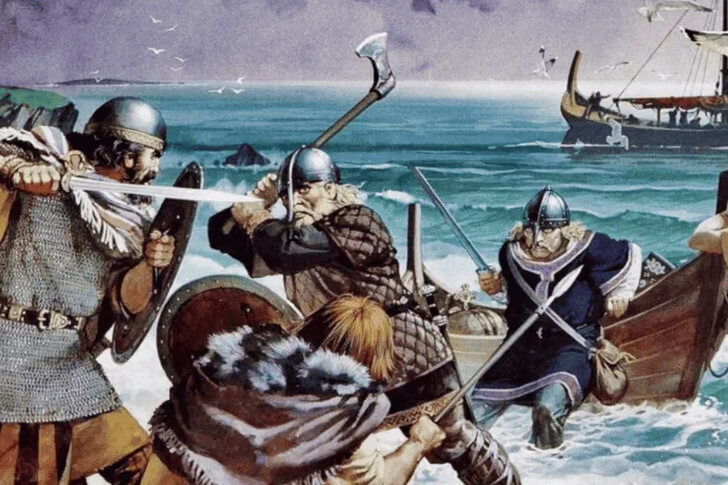
Historians suspect Viking berserkers ran on more than adrenaline. Some believe they used mind-bending plants to enter battle frenzy. Black henbane, a toxic nightshade from northern Europe, is the top candidate. It may have caused aggression, dulled pain, and swollen faces. This suggests more than "psyching up"—it's a chemical push into chaos.
These effects match saga tales of berserkers as roaring fighters, oddly immune to injury. There's some evidence: archaeologists found henbane seeds at Viking sites in Denmark, dated to around 980. That doesn't prove every berserker used it, nor makes legend a lab result. Yet, henbane provides a dark explanation for battles sounding like madness.
The Clever Trick Behind Viking Longliners That Let Them Own the Open Sea
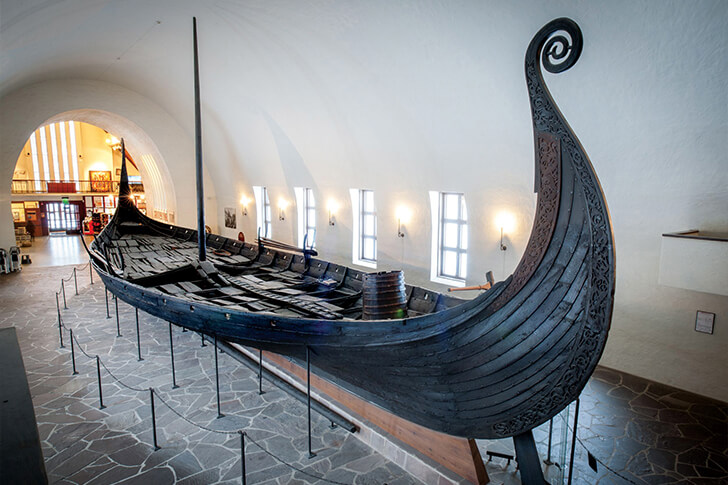
Viking longliners, those long, sleek boats slicing through gray waves, were MVPs of the Viking Age. Built with the clinker method, their oak planks overlapped like roof shingles, making the hull both tough and flexible. This allowed them to handle rough water and carry significant cargo without falling apart.
Overlapping planks meant seams, often leading to leaks. Viking builders packed gaps with moss, wool, or hair, sealing it with tar or tallow, creating a practical, effective solution. This smart carpentry and waterproofing made these boats dependable, enabling Vikings to explore Ireland, Greenland, and beyond for raids, trade, and voyages.
The Surprising Thing That Made Viking Longships So Ridiculously Fast
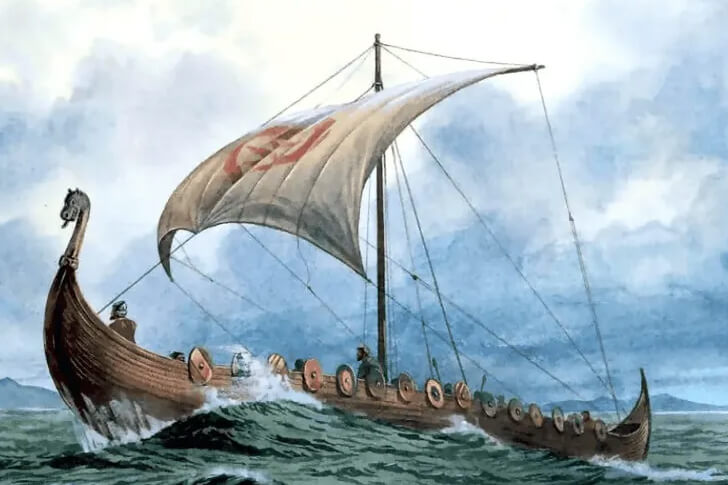
Viking longships, designed to be long, narrow, and sleek, came equipped with sails and oars, allowing movement even when the wind was uncooperative. Typically cruising at 5 to 10 knots in decent weather, these vessels could reach 15 knots (about 17 mph) when conditions were ideal, remarkable speeds for medieval wooden ships.
This velocity enabled them to cover approximately 125 miles in a day under sail, facilitating quick, surprise raids. Their ability to travel swiftly and strike decisively made long-distance trips feasible in the Viking Age, enhancing their effectiveness in executing sudden attacks and retreating rapidly.
The One Viking Arena Object That Turned Horses Into Rivals
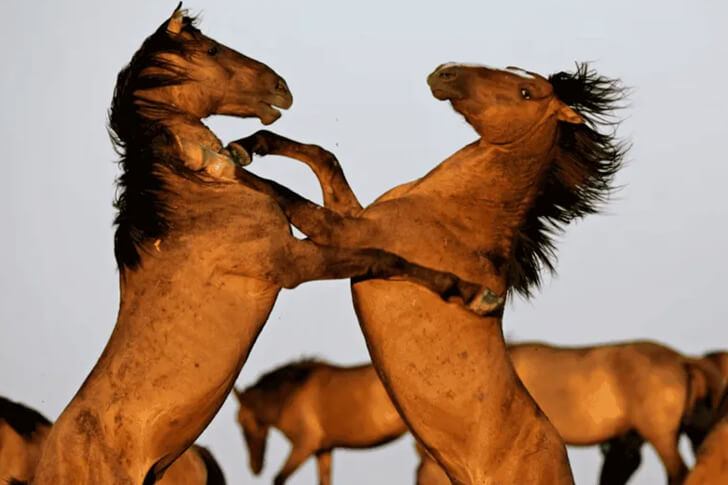
In Viking-age Iceland, crowds watched hestavíg, a stallion showdown in a ringed arena. Starting around the 10th century, it was part sport, part bragging rights, and part business for breeding. Fired-up horses were brought in, and spectators were eager to see which would take control. Sagas depict it as a crowd sport, with onlookers tracking every shove and maneuver to determine the dominant stallion.
Handlers actively participated, jumping in, waving sticks, and shouting to prolong the clash. Mares were often nearby, their scent heightening the tension. Stallions pushed, bit, and struck until one conceded. With no neat rules, it was a raw test of strength and nerve. It fit the Viking ethos perfectly: loud, intense, and all about proving the toughest spirit in the ring.
The “Viking” Label Hides a Surprise, It Was Basically a Job Title
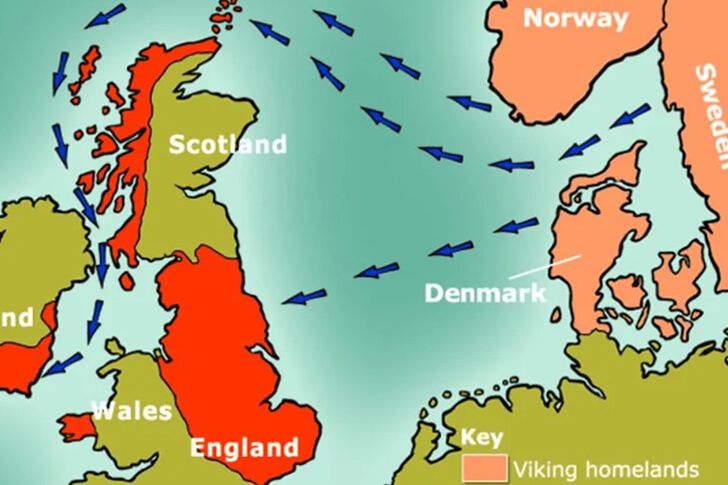
Calling someone “a Viking” sounds precise, but it’s akin to grouping Mexicans and Canadians as “North Americans.” The term is used as if it refers to one unified group, but it actually covered Norse communities in what is now Denmark, Norway, and Sweden. They didn’t form one tribe or have a singular identity but shared a cultural toolkit and Old Norse, influencing Danish, Norwegian, Swedish, Icelandic, and Faroese.
Interestingly, “Viking” originally described an occupation, not an origin. It meant sea raider, more about career than birthplace. Later, it became a broad label for that era and those living in it. Unity came from common roots, customs, and a language that traveled with them, not a king or central government.
The One Axe-Wielding Bodyguard Unit Byzantine Emperors Could Actually Trust
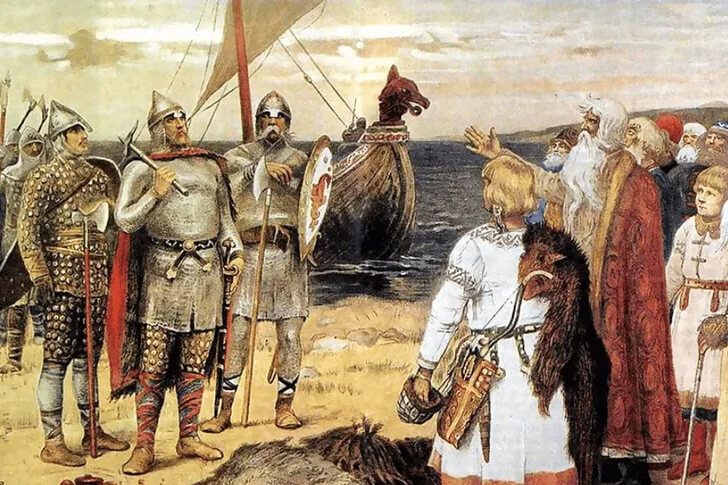
When a Byzantine emperor wanted protection that intimidated and stayed dependable, he often recruited muscle from afar. Enter the Varangians, Norse fighters known for strength and loyalty. The guard became official under Basil II in 988, initiated by a deal with Prince Vladimir of Kyiv. Amid civil unrest, Vladimir sent troops, and the emperor gained a ready-made shield of hardened warriors.
In Constantinople, these men weren’t mere parade props. They stayed close to the emperor in calm times, marched with him on campaigns, and quickly acted when crises arose. Their main advantage was social, not military. Without local family networks or factional ties, they were less likely to get embroiled in palace plots. In a court rife with backstabbing, outsiders with axes and limited loyalties were a wise investment.
The Louvre’s Weirdest Origin Story Starts With One Brutal Object
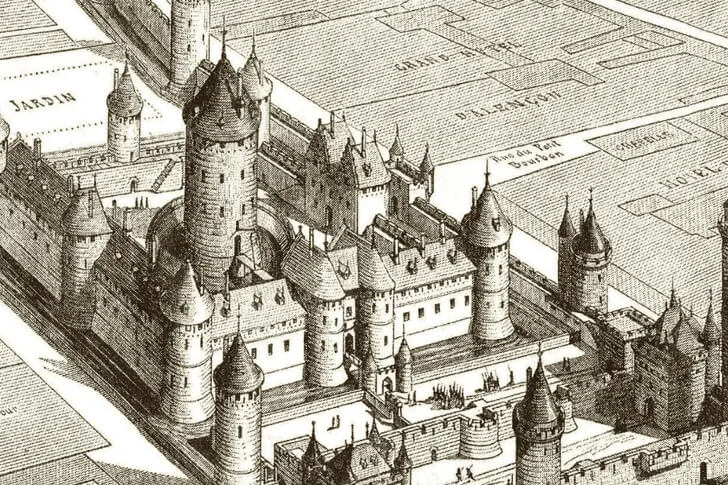
Long before a certain famous smile attracted crowds, the site was a panic button made of stone. Around 1190, King Philip ordered a fortress on the Seine’s right bank to defend Paris from Viking attacks. Norse raiders had used the river like a highway for generations, and the 885 siege proved they could push inland. His plan: build something massive and hard to crack, with guards watching nonstop.
The first version was pure defense, not glamour. Thick walls, low towers, and a Seine-fed moat shielded the city's west. It wasn't a palace or museum but a military stronghold to slow invaders. The wild part is those medieval foundations still sit under today’s galleries and staircases, an unpolished secret hiding in plain sight.
The Curious “Thing” That Ran Viking Justice
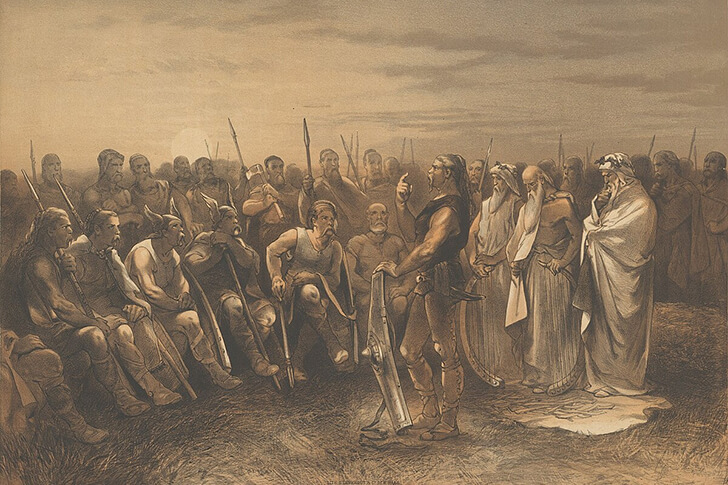
In Viking country, justice unfolded at the Thing, a public assembly whose name comes from the Old Norse þing, meaning “gathering.” Free men gathered at set times and places to resolve issues, from property disputes to broader community questions. Complaints were aired publicly because the process belonged to the group, not a single ruler.
Participants presented cases with witnesses, all before an audience. Running the show was the lawspeaker, who recited the law from memory. The free men didn’t just vote; they helped shape the rules, which made the Thing a courtroom, council meeting, and community forum simultaneously.